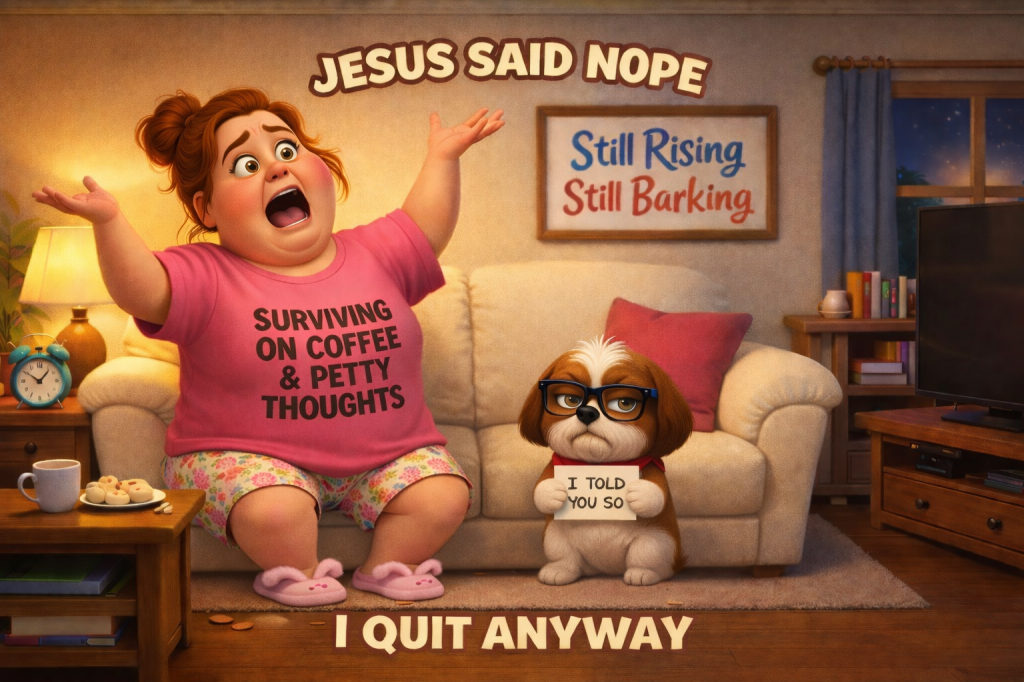
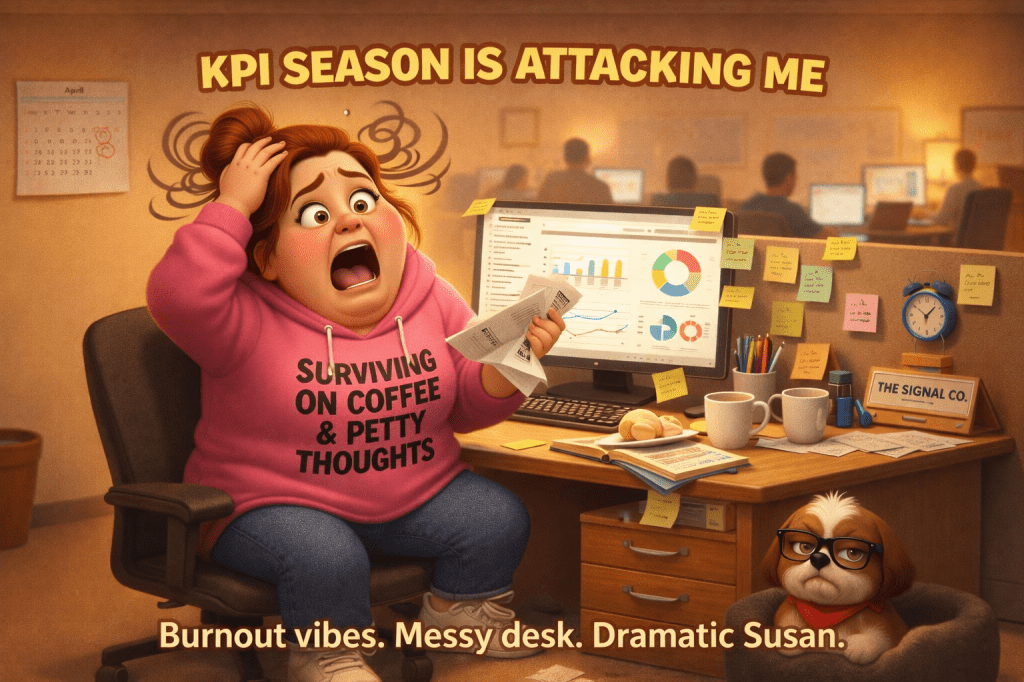
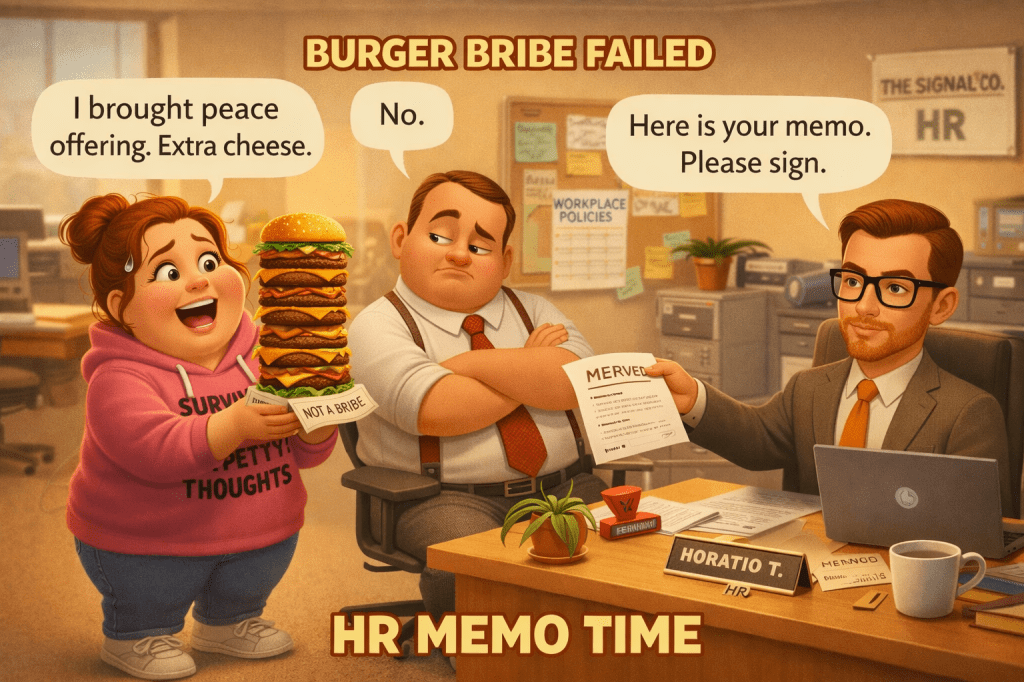
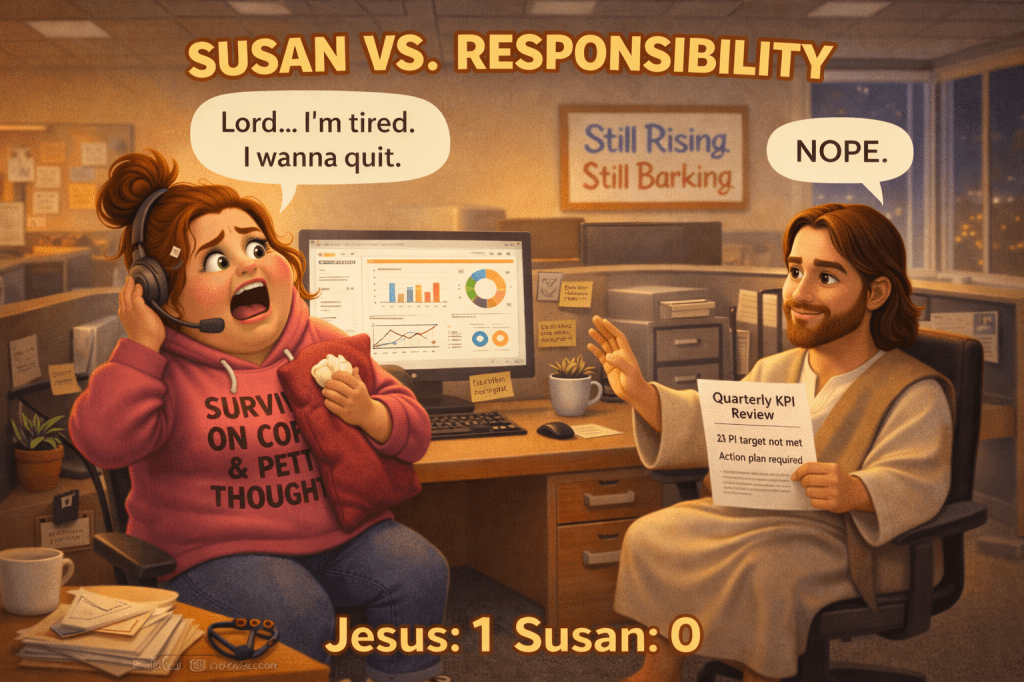
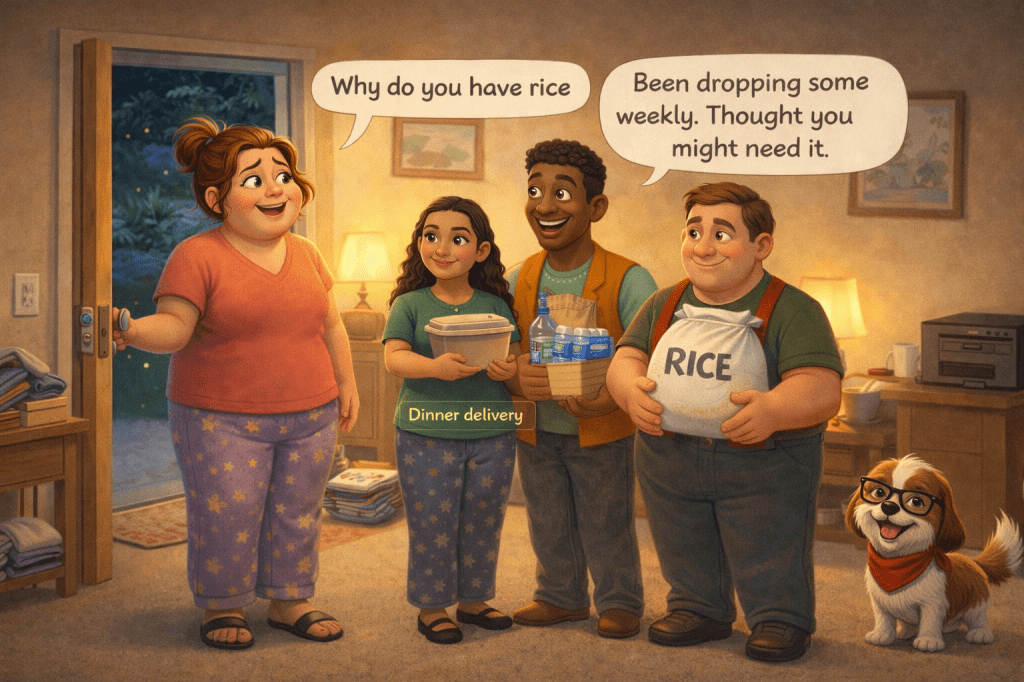
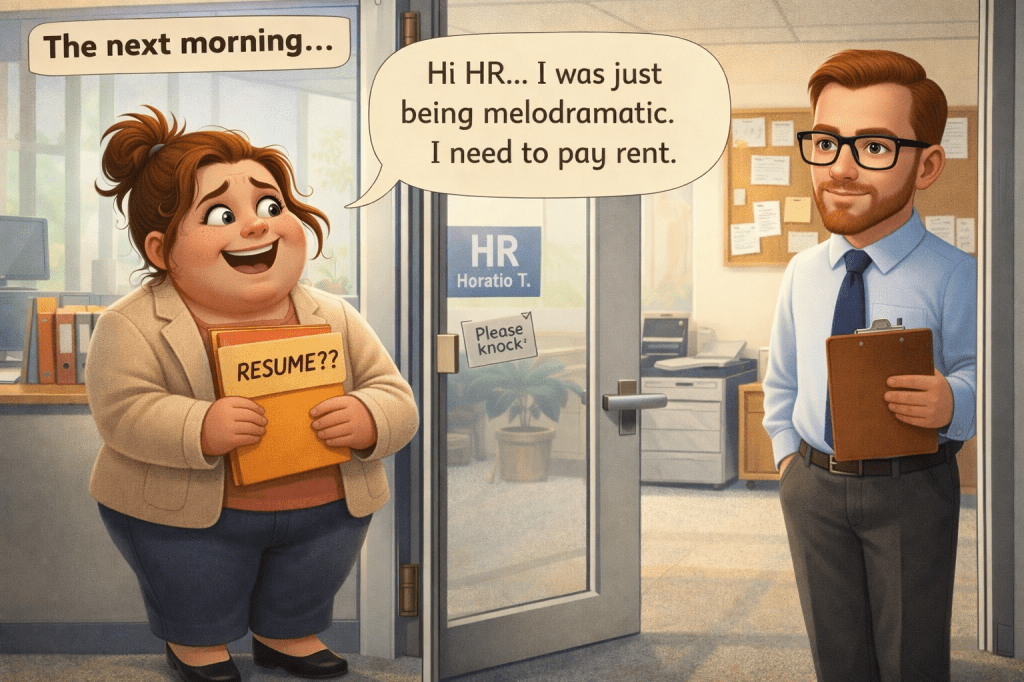
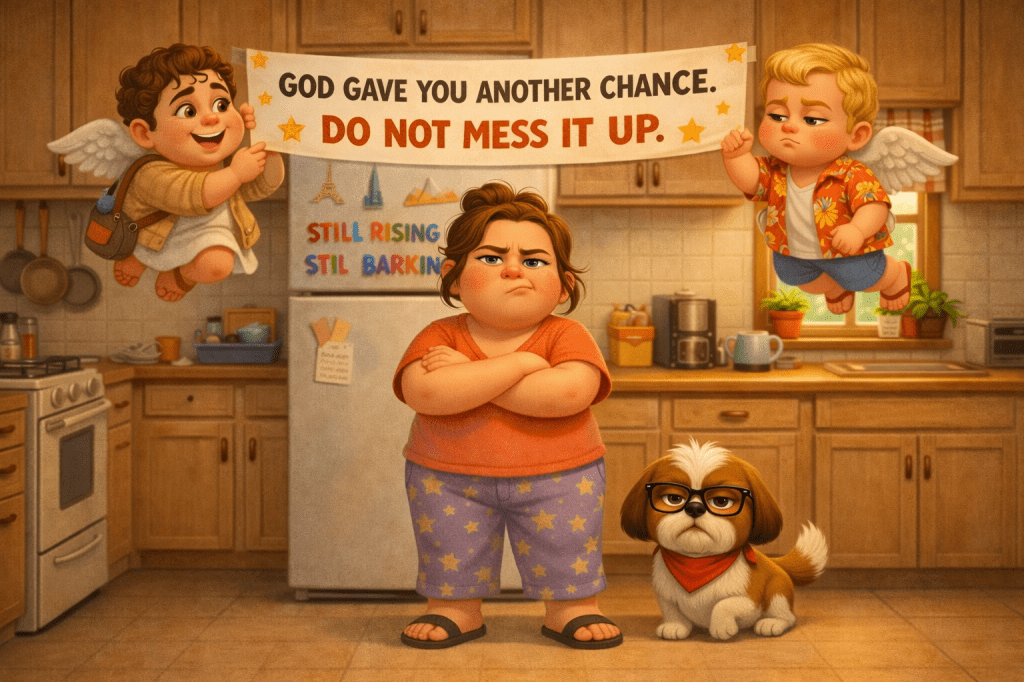
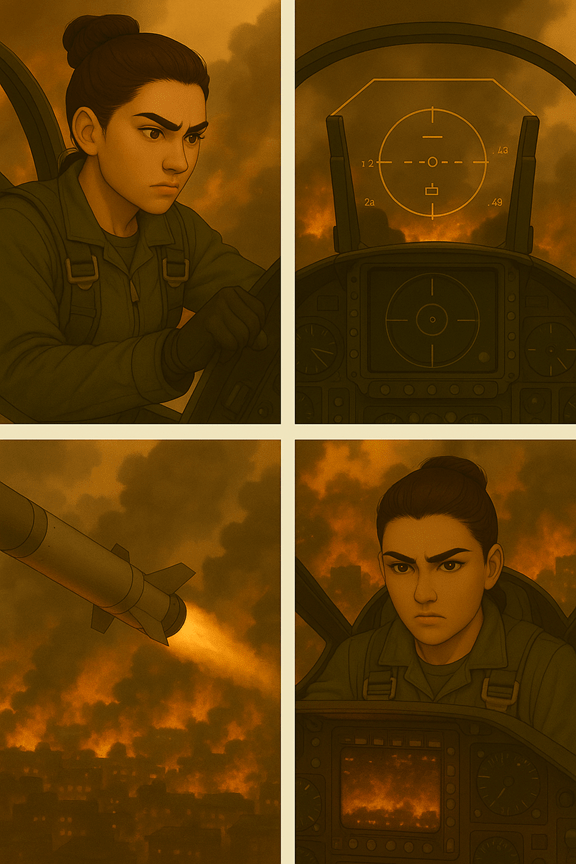
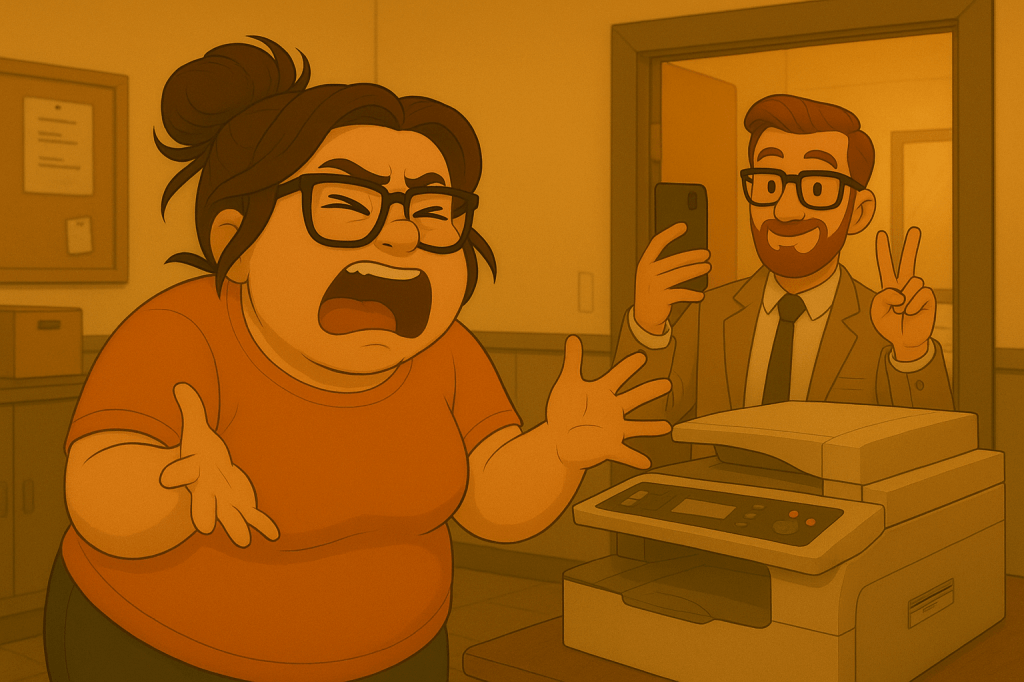
Guided by light, driven by dreams, and ready to fly.

Tag: #TheQuestionsTheyCarried

  • Dinah’s Question Ep. 5 of The Questions They Carried

    What makes a person bitter?

    Narrated by Oishi (your local Philosufurr) 🐾

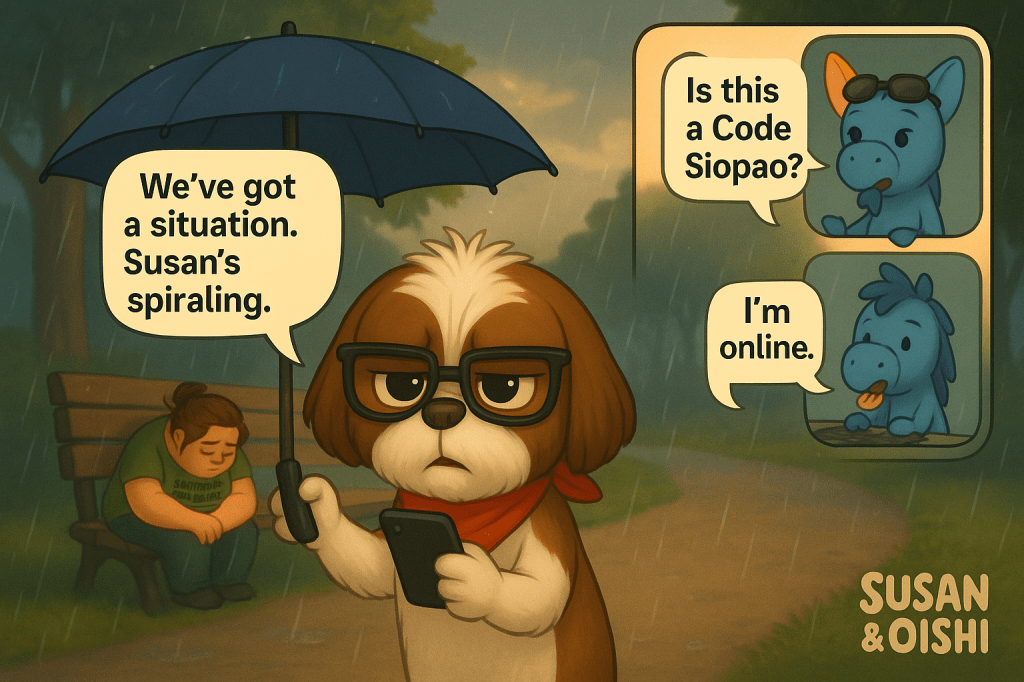
    It was Thursday night, 8:53 PM, and Susan wasn’t home yet. Your local Philosufurr was panicking. I called Sashimi, our bark-comm specialist, and Bulgogi the chaos intern, to track her location. Was she in danger? At the hospital? Had the Siopao finally done her in?

    Turns out she was at the park. Sitting. Wailing. Asking strangers things like,

    “Do I matter?”

    “Am I valuable?”

    “Is what she said about me true?”

    One passerby answered, “Ma’am, I don’t even know you.”

    Helpful.

    When she saw me, her face lit up like I was the second coming of carbs. She scooped me up and whispered, “I’m sorry, my badoodle. I didn’t want you to see me like this.”

    And look—I’ve seen Susan at her most dramatic. But this time? This was different. She was shaken. So she told me everything.


    Flashback, a few weeks ago…

    Enter Dinah.

    Short black hair. Fierce eyeliner. Heels sharp enough to slice confidence.

    Jezzie B’s bestie. Signal Co.’s Gossip Kween™.

    Unlike our resident gossip analyst Yohanes—whose intel rarely ruins reputations—Dinah was surgical. She didn’t just talk. She targeted.

    She once appeared behind Susan so quietly I thought she was summoned by dark sorcery. She’s also the reason Horatio T. issued an official memo quoting Leviticus 19:16:

    “Do not go about spreading slander among your people… I am the Lord.”

    Dinah had been nitpicking Susan’s life like it was her day job:

    Her siopao intake.

    Her walk.

    Her top bun.

    Even said Susan walked like a penguin — in front of people.

    Susan tried to laugh it off. But it chipped away at her. Especially the day Dinah crossed a line.

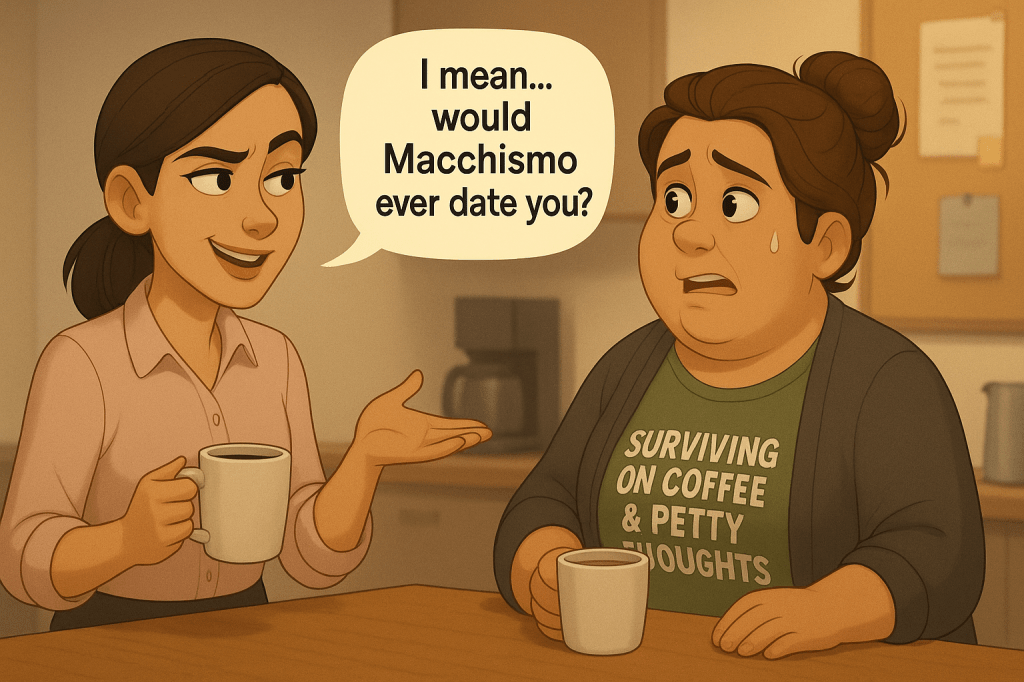
    She caught Susan sneaking a glance at Macchismo (yes, the Hawaiian-shirt-wearing prince of jawlines, now married), and said—loudly:

    “No matter what you do, Macchismo will never see you as a romantic partner. Have you seen his wife?”

    To which Susan replied, “Duh. I was at the wedding,” trying to hide her tears.

    Macchismo heard it. He said,

    “Okay, Dinah. That’s enough.”

    But Dinah pushed further:

    “If you were single, Macchismo, would you ask Susan out on a date?”

    He didn’t answer.

    And in that silence, Susan’s heart shattered.


    But then…

    Philip stepped in:

    “Dinah, I don’t remember Macchismo ever asking you out either.”

    Yohanes and Brenda joined in:

    “Beauty’s nothing if your attitude is toxic.”

    “Susan may stumble, but she never hurts anyone—unlike you.”

    Macchismo, guilty and speechless, reported everything to HR.

    Ten minutes later, Horatio T. called an emergency meeting.


    The Conference Room.

    Horatio stood in the center.

    Susan, Philip, Dinah sat.

    Macchismo and Pete crossed their arms like protective uncles.

    Yohanes and Brenda were flanking Susan like bodyguards.

    Then, Dinah spoke.

    “What makes a person bitter?”

    The room went quiet.

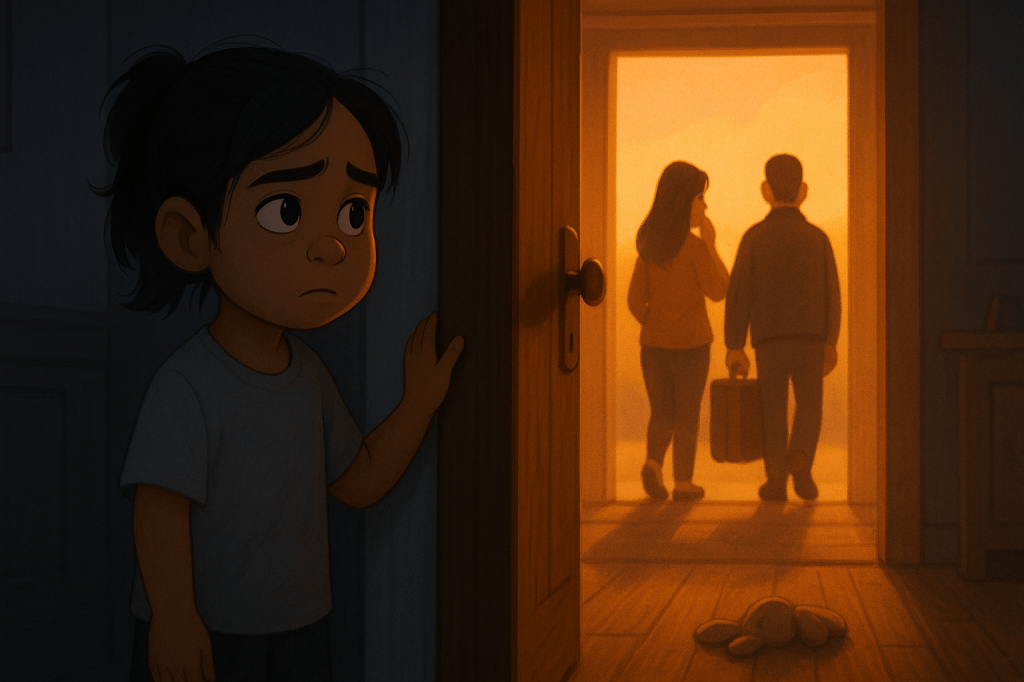
    “My parents are doctors. Always on call. We lived in a big house that echoed with silence. I was the only child. I had everything—clothes, travel, comfort—but no connection.

    I did everything to make them proud. Languages. Medals. Grades. Nothing worked. And slowly, that absence turned into bitterness.

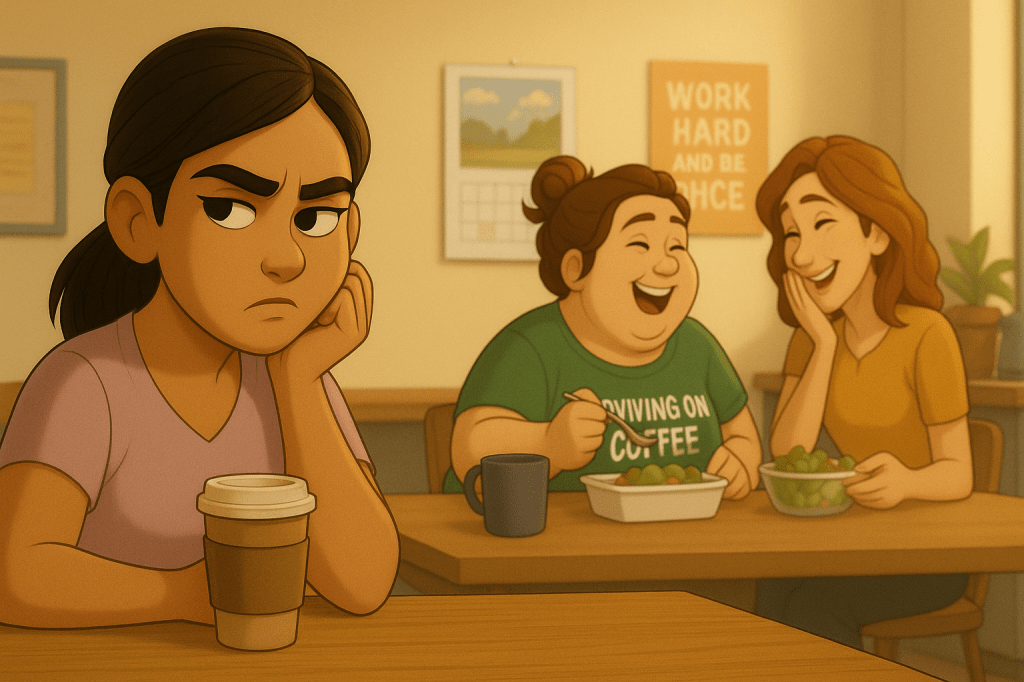
    I started hating people who seemed happy. Who looked… content. Like Susan. She messes up. She eats too much siopao. But people like her. She has friends. She has that smug little shih tzu.”

    (I accept this compliment.)

    “And Pete—you and your wife. That street food moment? It looked like a scene from an underrated K-drama. It made me angry.”

    “Over the years, my heart got harder. I told myself—if I can’t be happy, no one should be.”

    She paused. Then added:

    “I don’t know how to undo it.”

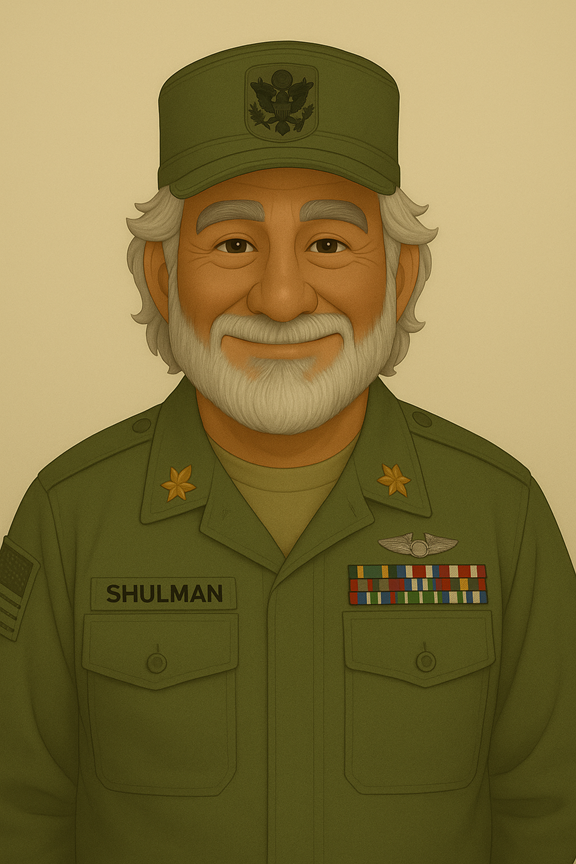
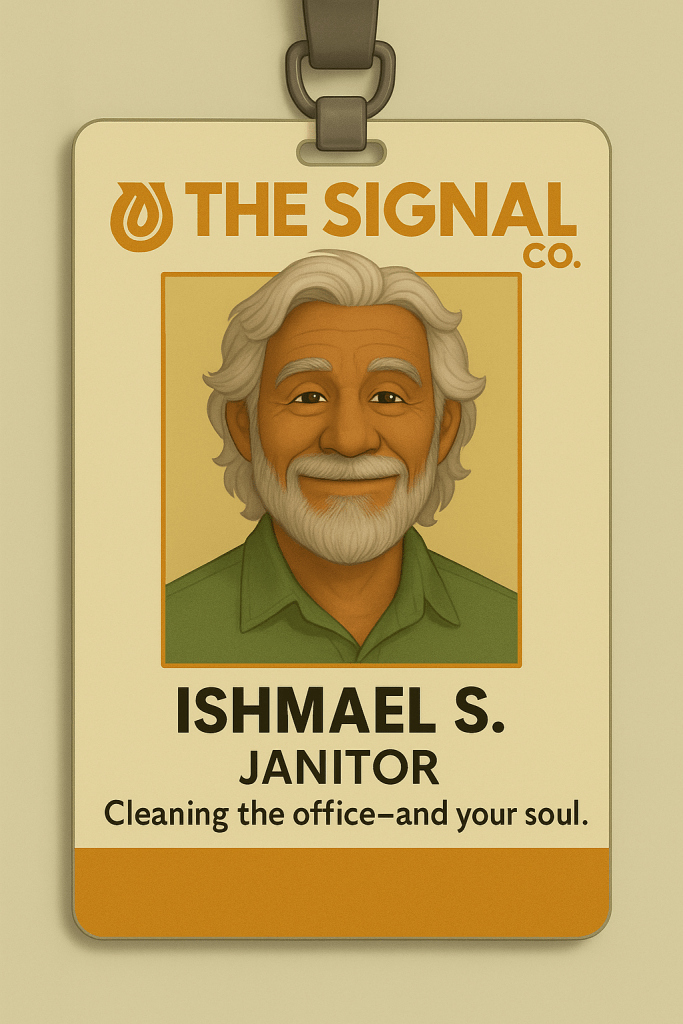
    And from the back of the room, Ishmael—the janitor with a soul full of sermons—spoke:

    “Forgiveness.”

    He stepped forward.

    “Bitterness poisons the heart. But forgiveness—*even if undeserved—*heals it.”

    He quoted Ephesians 4:31–32:

    “Let all bitterness and wrath and anger be put away from you…

    Be kind to one another, tenderhearted, forgiving one another, just as God in Christ forgave you.”

    Then Dinah said something that jolted half the room:

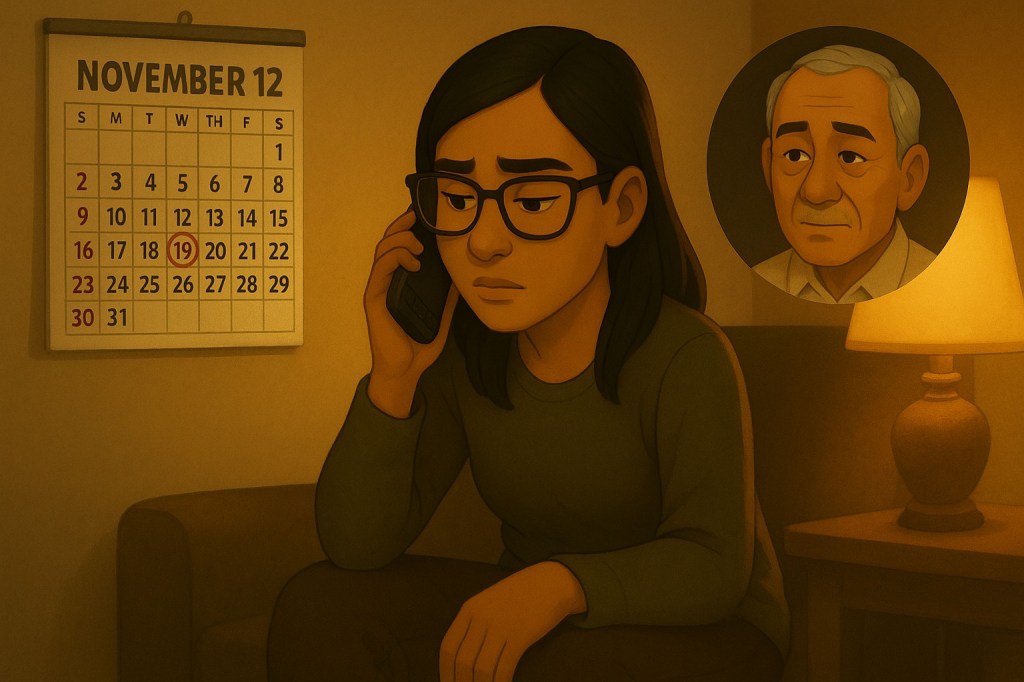
    “It was November 12, 2015. My dad called me. He was overseas…”

    Philip and Ishmael exchanged a glance.

    Yohanes froze.

    The date meant something. More than one person in that room had scars from that day.

    “He said a patient had died. The man’s younger sister—about my age—was sobbing. My dad remembered me. He told me, ‘No one gets used to death.’ Then he admitted he regretted not being present for our family.

    I brushed it off. I never called him back.”

    Susan interrupted softly,

    “Boyo was a nurse overseas…”

    Dinah nodded.

    “Maybe I’ll give healing a try.”

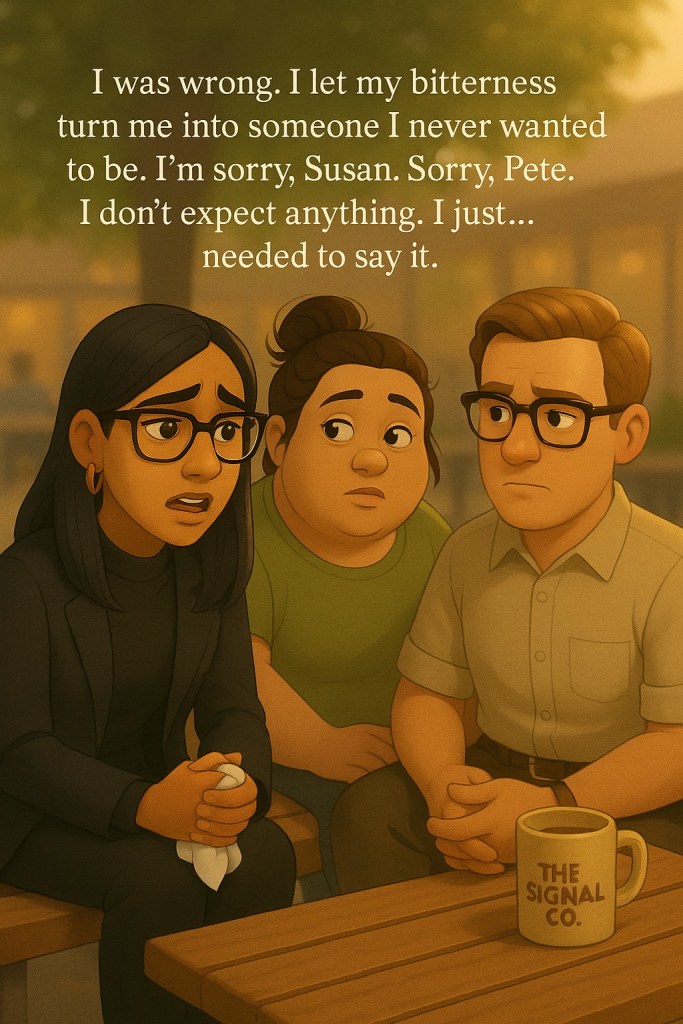
    She stood up, walked to Susan and said:

    “I used to envy your joy. I mocked it. I’m sorry. You don’t deserve that.”

    She turned to Pete and apologized. And this time—it was real.

    Susan and Pete forgave her.


    Back to the park.

    So why was Susan still dramatically crying hours later?

    Because one line wouldn’t leave her head:

    “Macchismo will never see you as a romantic partner.”

    Even if it was true.

    Even if he was married.

    What if every guy only saw her as the funny friend? Or a siopao buddy?

    Then came Boyo.

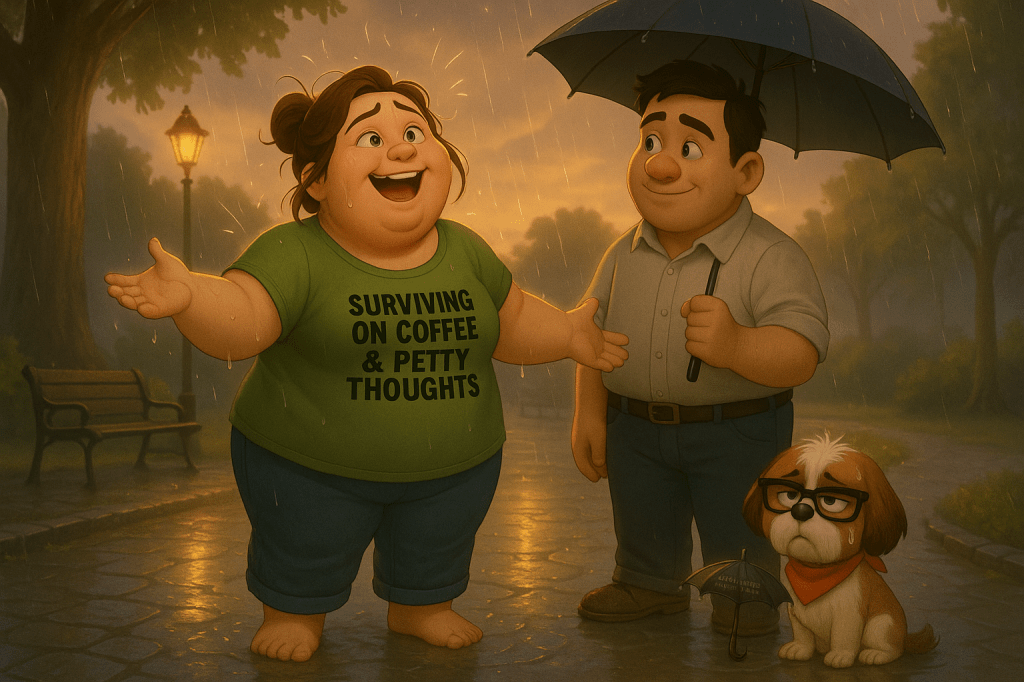
    Holding an umbrella.

    Susan refused it.

    So he scooped me up and said:

    “Fine. I’ll take Oishi then.”

    Susan ran after us:

    “Wait! I was kidding! I’m not that dramatic!”

    We went home.

    Boyo made soup and meatballs (yes, I tasted both).

    Susan told him the whole saga—cinematic-style, with hand gestures and reenactments.

    As she ranted, Boyo leaned by the door and whispered:

    “Your time will come, Sus. Just… pay attention to what’s already in front of you.”

    She didn’t hear him.

    She was listening to a podcast titled: How to Attract a Man With a Jawline.

    I put my paw on my forehead.

    Classic Sus.


    Writer’s Note 📜

    Bitterness doesn’t always look evil.

    Sometimes it wears heels, carries pain, and covers a wound that’s been ignored too long.

    We all feel it.

    When we’re overlooked.

    When we’re hurt again and again.

    When what we do is never enough.

    And the Bible’s call to forgive? It feels almost unfair when we’re still bleeding.

    But bitterness is a slow poison.

    Forgiveness is not forgetting. It’s letting Jesus carry what’s crushing us.

    It won’t happen overnight.

    🧡But when we finally give Him what’s been weighing us down,

    our hearts breathe again

    and joy finds its way home.

    —Ember

  • Yohanes Question Ep. 4 of The Questions They Carried

    Why do we keep comparing ourselves to others?

    Narrator: Yohannes

    Yes, I’m the narrator. For those who don’t know me, I’m Yohanes Abimbola, gossip analyst of The Signal Co., certified Libra, and BFF to Susan and Brenda. And no, I didn’t want Susan narrating this because she’d botch my story with her dramatic side comments.

    I’ve carried this question since childhood: why do we compare ourselves to others? Back then, I didn’t understand it. Now, as an adult, I know exactly how it feels.

    I grew up with my sister, Sergeant Mekena Abimbola — a combat medic. She’s brave, brilliant, and the family’s unofficial superhero. My dad, Dakarai, is a platoon leader, so of course Mekena got the “chosen one” treatment.

    When we were kids, Mekena loved rescuing strays. Our house looked like a veterinary clinic — cats, dogs, turtles, you name it. One time, we were walking down the road and this giant beast appeared. I was about to sprint, but Mekena held me back. “Don’t run,” she said. Okay… maybe it wasn’t a lion. Maybe it was just a very big cat. But in that moment? I swore it was Simba’s uncle.

    Since then, she was always “the brave one.” In college, she was top of her class. Me? I was “Mekena’s brother.” Relatives never helped: “Yohanes, be brave like Mekena. Be smart like Mekena.” Even Susan once blurted out, “Why aren’t you like her?” (She still denies it. Classic Susan.)

    Eventually, Dad asked Mekena if she wanted to be a medic. She didn’t hesitate. My parents were bursting with pride. And me? I was proud too… but jealous. Relatives whispered: “Be like her, Yohanes. Save someone too.” And all I could think was, I’m the one who needs saving.

    That’s the poison of comparison. The more you try to ignore it, the louder it gets. I loved my sister, but it felt like she excelled without even trying, while I worked twice as hard and still came up short.

    Then came November 12, 2015. My sister called late at night, crying. She had lost a patient in the field. She’d lost others before, but this one — Joseph — was different. Before he died, he looked at his comrade and whispered, “Truly live.”

    Through tears, Mekena said, “Yohanes, you’ve been comparing yourself to me since we were kids. That’s not living. Comparison makes you a prisoner. People see me rescuing lives, but they don’t see you rescuing me when I was drowning in sadness. They don’t see the cards you never forget to send, or the way you keep Mom and Dad smiling. Heroes don’t always wear uniforms. Sometimes they’re silly, gossiping little brothers who keep showing up. You may not save strangers, Yohanes, but you’ve saved me more times than I can count. And that’s enough.”

    At that point, Susan was blowing her nose like a trumpet, hugging Oishi and sobbing, “That is sooo touching, BFF!” Oishi looked trapped in her arms, and if he could talk, he’d probably say: “Put me down, hooman.”

    Oishi escaped, grabbed a Bible from Susan’s room, and dropped it on my lap like an annoyed librarian. It flipped open to Psalm 139:14:

    “I praise you because I am fearfully and wonderfully made; your works are wonderful, I know that full well.”

    It hit me. If God Himself thinks I am wonderfully made, why do I keep selling myself short? Why compare my story to anyone else’s?

    So why do we compare ourselves to others? Because we doubt our worth. Because we want applause, hoping it will fill the emptiness inside. Because we think life is a competition when it’s really a calling. But comparison is a thief — it robs us of joy, peace, and even gratitude for what God already placed in our hands. If my Creator thinks I’m wonderful, why would I argue with Him? Why would I trade His “well done” for anyone else’s opinion?

    Susan, being Susan, ruined the tender moment by blurting out: “When you’re dead, BFF, comparing yourself to Beyoncé won’t matter — you’re six feet undah!” Harsh… but true.

    And so, from your local philosofurr:

    I don’t get humans. They sell themselves short without realizing how lucky they are. Not lucky — chosen. God created them with purpose. If they saw themselves through His eyes, they would know: they are unique, fearfully and wonderfully made.

    Good night. 🐶

    Still Rising 🔥 Still Barking 🐾

  • Pete’s Question Ep. 3 of The Question They Carried

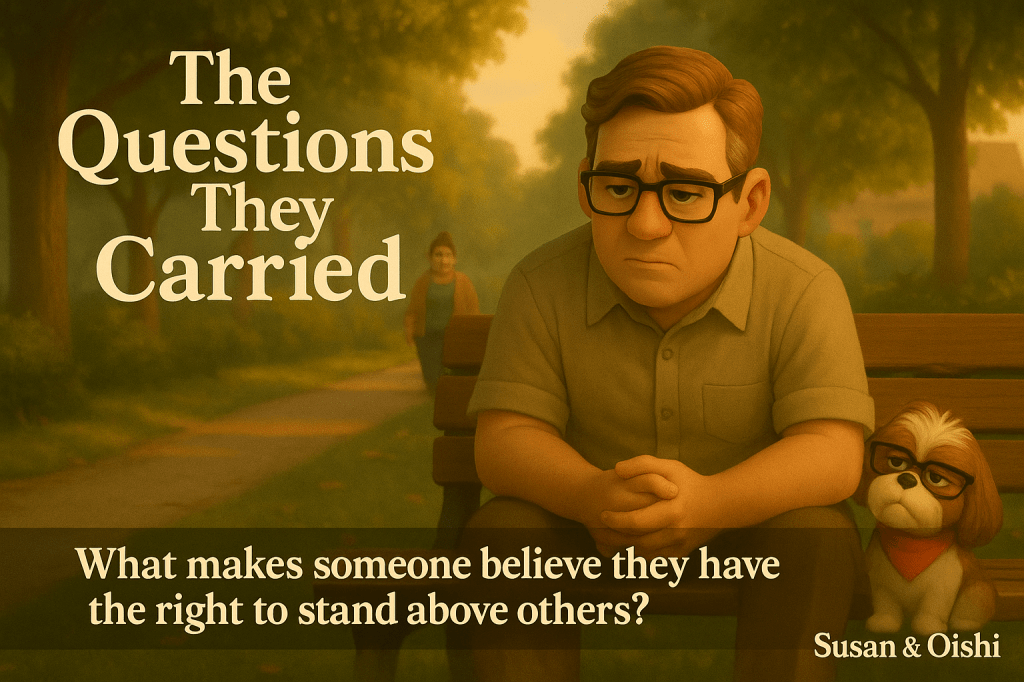
    What makes someone believe they have the right to stand above others?

    Susan Narrating

    It was an ordinary Wednesday — that “meh” middle of the week. Not the chaos of Monday, not the slow fade-out of Friday. Just… Wednesday.

    Well, ordinary for everyone else.

    For me, the morning started with Oishi giving me those puppy eyes as I was leaving for work. Tail wagging, looking up at me like he’d just been abandoned by the entire cast of a soap opera. Obviously, I caved and took him with me.

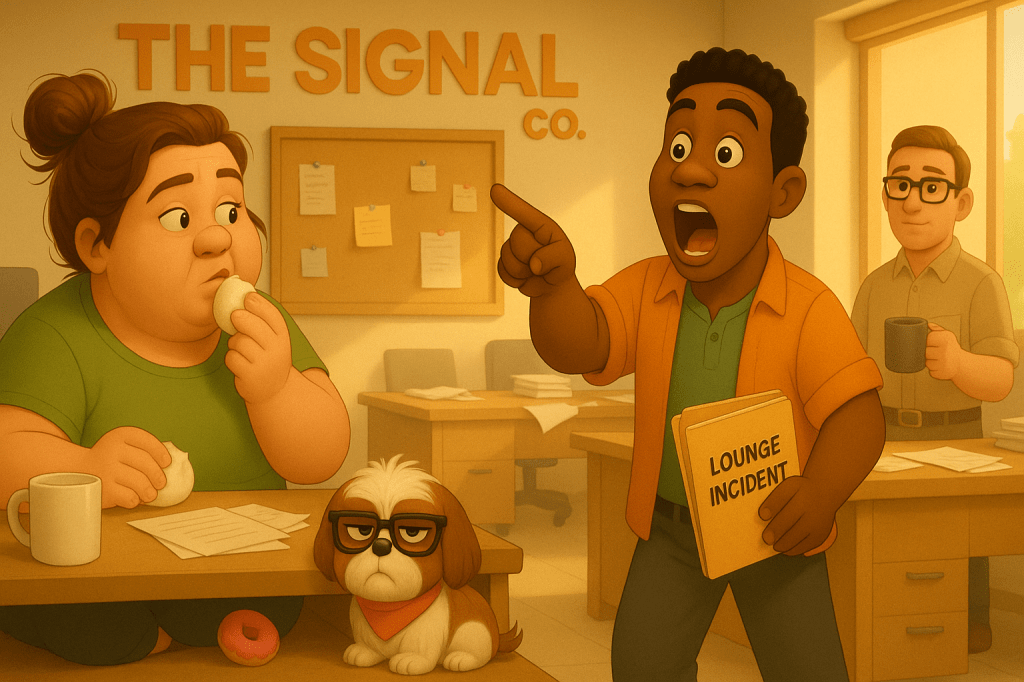
    At my desk, Oishi curled up under the table with his squeaky toy. Then Yohanes barged in, dramatic as ever, announcing there was chaos in the customer service lounge — customers fighting over who should be served first. One claimed she was a doctor, the other a lawyer. Dinah, our resident gossip, just said, “Let them fight it out, see who wins.” I chimed in, “The lawyer, duh.”

    Pete — our by-the-book accountant (and unsolicited tax adviser) — picked up Oishi and calmly told Yohanes to defuse the situation by figuring out whose need was more urgent. Yohanes agreed and left.

    For those who don’t know Pete, he’s our accountant — a good one. He even lectures me on filing taxes. I pretend not to care, but I remember every tip when it’s time to file. If it weren’t for him, your girl’s butt would’ve been in trouble last year.

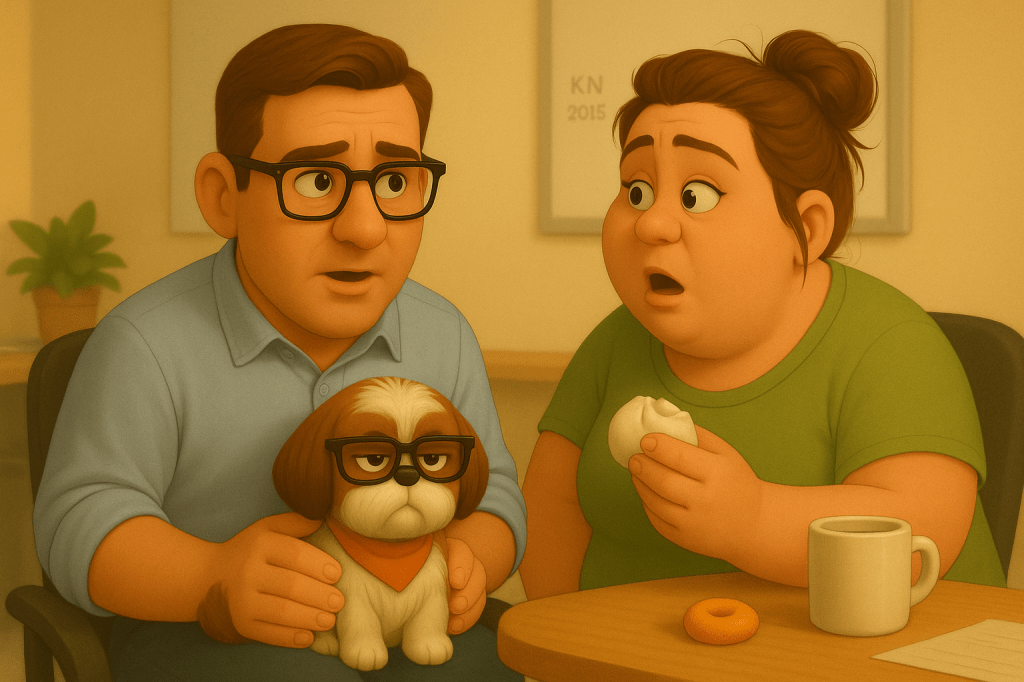
    Pete sat across from me, Oishi still in his lap, and suddenly asked:
    “What makes someone believe they have the right to stand above others?”

    I froze mid-siopao bite. “What made you ask that?”


    Pete’s Story

    November 12, 2015. Pete said he’d never forget that day.

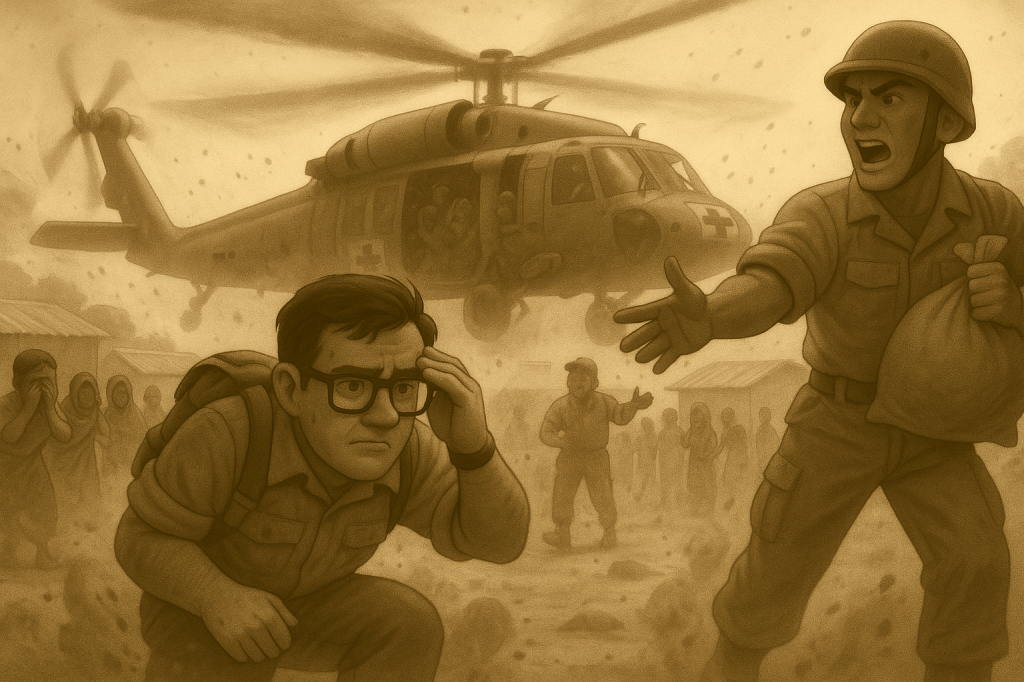
    We didn’t know he was a volunteer worker. That day, he was in El Shur — a small, beautiful country with its share of darker realities.

    He was assigned to distribute relief goods. As soon as the chopper touched down, people ran toward them. He told them to line up, assuring there was enough for everyone. But desperation overpowered order. People shouted, cried, begged to be served first.

    Pete understood. Hunger does that.

    But then, someone approached him privately, offering money — a bribe — to get their goods first.

    “Why not buy food instead?” Pete asked.

    The answer hit him hard. They couldn’t. Their area was on lockdown, boundaries guarded so insurgents wouldn’t cross over. They were stuck in the crossfire. Still, relief goods had been delivered regularly — they had enough for months.

    But this person said,
    “We’re prominent. We should be served first.”

    Then, almost as an afterthought, they added, “Besides… you don’t want trouble with the K.N.A.V.E.S.”
    Pete didn’t know who or what that was. But the way they said it — calm, low, like a warning — stuck with him.

    “That’s what made me ask,” Pete said quietly. “No matter how much you have, no matter who you are, that’s not the right perspective. We should help each other up. Respect authority, yes — laws exist to protect us. But some people use their position to lift themselves higher, not to lift others. Not all of them. Some leaders genuinely serve. Others… they make the people serve them.”


    Ishmael’s Answer

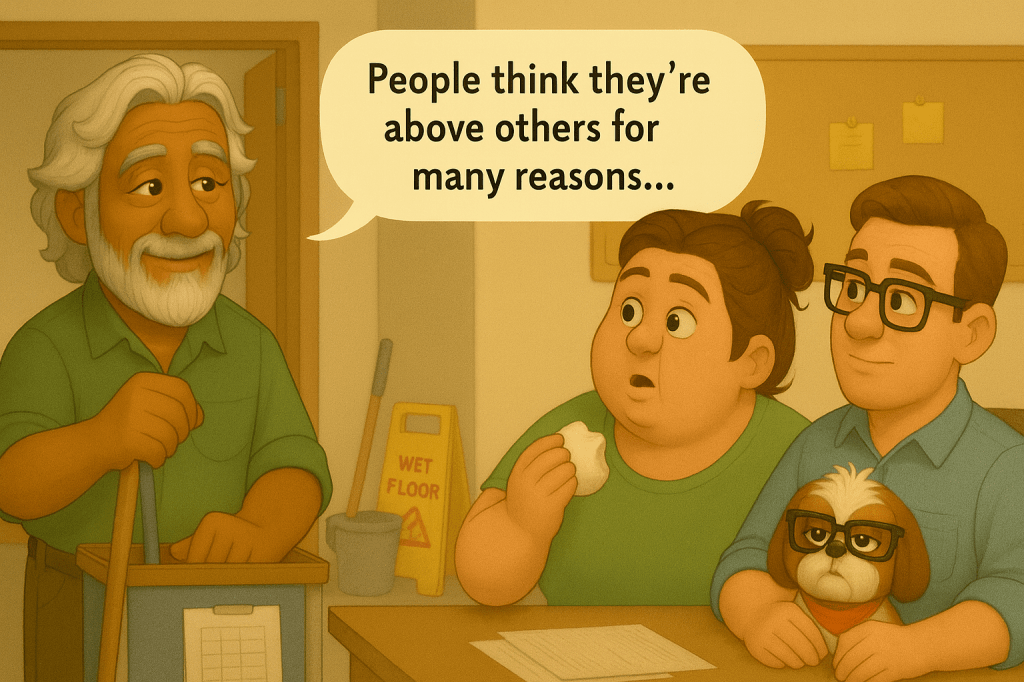
    That’s when Ishmael, our prophetic janitor, glided in with his mop.

    “People think they’re above others for many reasons,” he began. “Pride, fear, insecurity — even upbringing. Some were taught from childhood that status equals worth. Others hide their own sense of smallness by making others feel smaller. And there are those who genuinely believe their achievements or titles make them more valuable than the next person. But Christ showed us another way.”

    He set the mop aside.
    “Christ washed the feet of His disciples. An act of humility and service. Imagine — a Master washing His followers’ feet.”

    John 13:16-17 — Truly, truly, I say to you, a servant is not greater than his master, nor a messenger greater than the one who sent him. If you know these things, blessed are you if you do them.

    I leaned in. “Pete, you said the place was chaotic. They were in survival mode. Of course they’d put themselves first.”

    Ishmael looked at me.
    “Susan, imagine the building is on fire. What’s the first thing you’d grab?”

    “Oishi Badoodle!” I said instantly.

    He smiled.
    “Okay. But imagine Oishi’s in the other room. As you rush to him, you hear a baby crying — Melinda’s son. You can’t save them both.”

    The tears came before I could stop them. I hugged Oishi tight.

    “I know your answer, Susan,” Ishmael said gently. “You’d give up what you love most to save a life.”

    I sniffled. “Why did you have to make it a baby? Couldn’t it be a unicorn? Or Chad?” But deep down, I understood. God made us to help and protect one another — not to think we’re above anyone.


    Closing

    Right then, Yohanes stormed back in, panting and sweaty.
    “After two hours, the customers and I reached an agreement.”

    Pete patted his back. “Good job. You diffused it.”

    That evening, Pete treated us to a park-side meal. Oishi was over the moon.


    Oishi Narrating

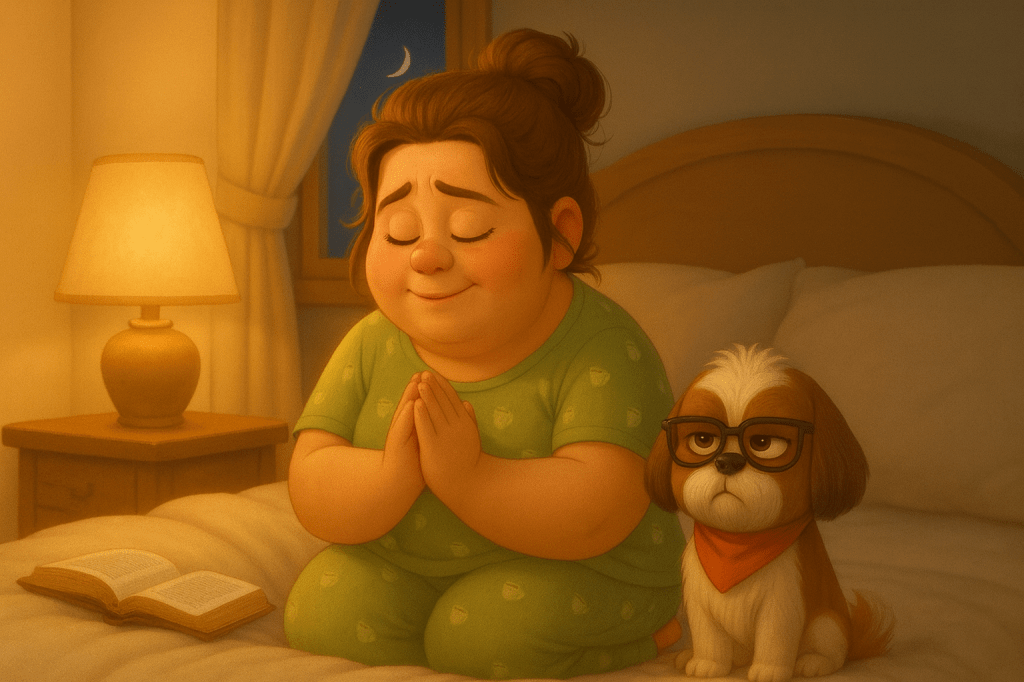
    When we got home, Susan went straight to the bedroom and knelt to pray.

    “God, thank You for this beautiful life — for waking up each day safe and sound. Thank You for the kindness we’ve received. I pray for those who live day by day just trying to survive. Help us understand that we’re not above one another, but created to bless each other, inspire, and lift one another up. And God… please don’t ever make me choose between saving Oishi and saving a life. You know I’d do it, but with a heavy heart.”

    Her voice broke. I understood why.

    I know you’d pick the baby, Sus. And that’s okay. I get it. Life is precious. I’m happy, I’m content, and I hope you are too.

    Good night. 🐾

    And then… the snore. Classic Sus.


    Still Rising. Still Barking. 🐾

  • Boyo’s Question – Ep.2 of The Questions They Carried

    What do you regret?

    Narrator: Oishi (This time, I volunteered.)

    Five years ago, Susan found me crying under a tree in the rain. Soaked, shivering, abandoned. She ran to me and picked me anyway.
    (If you want the full origin story, go read  “I Got You, Buddy.”)

    A few months later, Boyo moved in next door.
    The first time I saw him, we were playing fetch in the hallway. I noticed him right away. He always smiled. His eyes were gentle. He looked… cuddly. Like Susan, but with better manners.

    But there was something about him that drew me in.
    (Aside from the smell of treats, of course.)

    The Incident.

    One Saturday at 7 a.m., Boyo was blasting “Bed of Roses.”
    Susan was still asleep. Keyword: was.

    She shot up like a banshee, stomped out of bed like an angry elephant, her hair a war zone, her face like a constipated chimpanzee. Still in pajamas. Still half-dreaming of revenge.

    She scooped me up (I protested, silently—I knew what was coming).
    She banged on Boyo’s door.

    He opened it.
    And for a split second, I swear I saw fear in his soul.

    Susan unleashed.
    “Do you know what time it is?! Do you think you’re alone in the world? That we’re all paranormal beings who can’t hear Bon Jovi at full volume?! I just fell asleep—LAST NIGHT!”

    She didn’t even breathe. Her mouth went full machine gun.
    Boyo? Speechless.
    Susan? Exited dramatically before he could say a word.

    Then she ranted for five. straight. hours.
    My ears weren’t hurting from the music. They were hurting from Susan.

    Mall Day, Siopao Drama, and Puppy PTSD

    Later, we went to the mall.
    We roamed. Ate siopao. She put me in one of those baby ride thingies. I felt like a prince. I loved it.

    Until she ditched me at the pet lounge.
    She wanted to watch a movie.
    She didn’t say the title, but judging from the timing, I’m guessing:
    “Food Factory: How Siopao Is Made.”

    Earlier that day, while we were eating, I noticed Boyo watching her mid-bite.
    Mid siopao bite.
    And I swear—I saw his heart leap out of his chest.

    I thought to myself, “Gross.”

    That siopao bite must’ve triggered something, because Boyo suddenly remembered.

    Turns out, they had met before — well, sort of.

    During a neighborhood outing months ago, Boyo had seen Susan and me from a distance, sitting quietly by the beach. We were both staring out at the mountain and sea like it was a private moment with God.

    Susan, in that rare peaceful form of hers, whispered, “Look at this view… what a Creator.”

    Her face looked… angelic.

    Very unlike the siopao-crushing, sarcastic hurricane that just yelled at him in her pajamas.

    Back then, Boyo was quietly eating barbecue alone, watching us — Susan with her awe, me with my glassy deadpan — and thinking, Maybe this world still has soft places.


    Who falls in love with Susan while she’s inhaling carbs?

    Chaos at the Pet Lounge

    Back at the lounge, I was surrounded by untrained puppies.
    Running. Sniffing. Chaos.
    One of them sniffed my butt for the third time and that was it.

    I barked like it was the end of the world.

    Luckily, Boyo was still at the mall. He heard me.
    He came in, checked me out, and left a note at the counter.

    “Hey Siopao Girl,
    Got your dog. He looked restless.
    We’re at my apartment. — B.”

    Bark, Regret, and Bed of Roses (again)

    At his place, we chilled.
    He cooked chicken. We ate. We watched TV.
    Then we heard stomping in the hallway and shouting:

    “BOYOOOO! Where is my badoodle?!
    Give him back to meee!!”

    (She climbed eight floors. The elevator was down. Respect.)

    Boyo opened the door.
    “I’m so—”

    But Susan stopped him mid-apology by pressing a finger to his lips.
    Then launched into a rant that barely related to the situation.

    Boyo calmly gave her a chair.
    Made coffee.
    Listened. Patiently.

    Then she randomly mentioned “regret.”
    And Boyo’s eyes shifted.

    He smiled and asked her, in his usual calm tone:

    “What do you regret?”

    Susan, being Susan, said:

    “I regret buying that choco mocha lipstick. It looks like dried blood.”

    Boyo tried again.

    “Something deeper.”

    She thought. Then said:

    “I regret not buying the last piece of siopao. I should’ve bought it. Now I have to cook.”

    I put my paw on my head.
    Classic Susan.

    She got up, mid-convo, and left to cook.
    She was that comfortable around Boyo… she left me with him.

    The Regrets Boyo Witnessed and the faith he chose instead.

    Once she was gone, Boyo scooped me up.
    Sat me on his lap.
    And spoke softly.

    “I used to be a nurse overseas,” he said.
    “I watched people die with so many regrets.”

    He went quiet for a moment.

    “I wasn’t part of the frontlines. I was the guy waiting in triage. Prepping shots. Changing dressings. I remember November 12, 2015 — the day the relief convoy never came back. We were waiting. The kids were waiting. But all we got was silence… and smoke rising from the ridge.”

    Then continued:

    “They regretted not telling people they loved them.
    Not giving enough time.
    Not living fully.
    Not putting God first.
    Not choosing joy over fear.
    Not choosing people over things.”

    I listened. And for once… I had no sarcastic comment.

    Boyo added:

    “In this lifetime, regret is inevitable — it’s not about avoiding it, but about choosing not to repeat it.”

    “Since then, I promised myself I’d live differently.
    Smile more.
    Be kind.
    Even when it’s hard. Even when it’s Susan.”

    And then, he laughed.

    “I’ll still play Bed of Roses.
    But I’ll be more mindful.
    I’ll live with faith. Not fear.”


    Dinner with the Ones Who Stayed

    Susan came back.
    She brought chicken.
    Boyo brought soup and dessert.

    She ranted about the movie.
    He smiled.
    I napped.

    And for a few hours, there was no fear. No regrets.
    Just us.
    Just joy.
    Just home.

    Writer’s Note (by Ember — Slightly Overcooked, Still Simmering)

    Hi, it’s me — Ember.
    The person behind Susan’s spirals and Oishi’s deadpan commentary.

    This episode? It’s personal.
    Not because I’m a nurse, a doctor, or someone with a front-row seat to life-and-death situations…
    but because I’ve had my share of regret.

    I’ve lost people I loved — and I didn’t always get to show that love the way I wanted to.
    And honestly? I still live like I have all the time in the world.
    Like the clock’s not ticking.
    Like there’s a memo somewhere that says I’ll live to 110.

    But there isn’t.
    And that thought hit me while writing this episode.

    So lately, like Boyo, I’ve been trying to really live.
    To make decisions based on faith, not fear.
    To be kind, even when I’m surrounded by difficult people and exhausting situations — which, to be clear, is very hard and occasionally makes me want to scream into a pillow.

    But I’m trying.

    If you’re reading this, maybe you’re trying too.
    Trying to be softer, braver, more present.
    Trying to say what matters before it’s too late.

    Let’s live better.
    While we still have time.

    Still rising, still barking.
    — Ember & Oishi 🔥🐾

  • Faith That Rises: From Steamed Buns (Siopao) to Unseen Seeds

    Oishi Narrating:

    It was a Saturday morning. As usual, Sus and I got up early—we both love Saturdays. She made breakfast, we ate, and we washed the dishes. Saturdays feel like a moment we actually live in, not rush through.

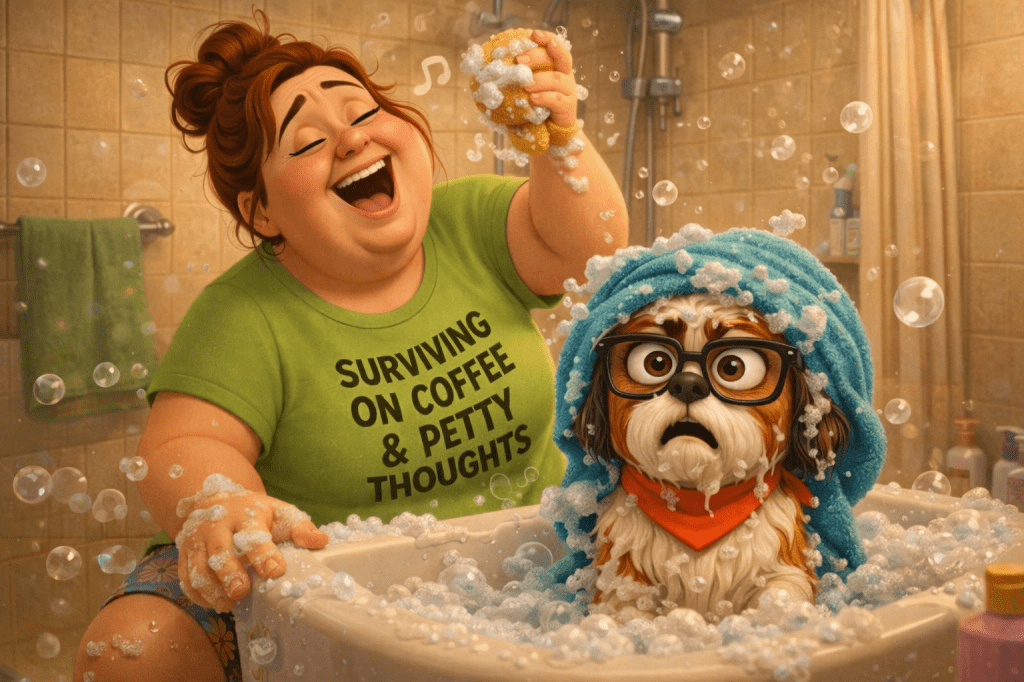
    Then came the part I didn’t sign up for. She gave me a bath. Yes, a bath. Despite my clear protests. She sang through the whole ordeal—trapped in the acoustics of a small bathroom, her goat-voice bouncing off every tile. It was like being waterboarded by a musical.

    Afterward, we walked in the park. I was mid-sniff on a very interesting post when Sus scooped me up. “Oh badoodle, we have to move now! Yohanes and Brenda are coming. We’re having a Bible study!”

    Wait. Susan? Bible study? The same woman who once tried to Google “How to find a husband in one week” and “Why my siopao won’t rise”? This was going to be good.

    When we got home, Yohanes and Brenda were already on the porch.

    “Girl,” said Yohanes, “we’ve been waiting forever. Time is precious and it’s a valuable thing that a man can spend.” He’d only been waiting ten minutes. Classic drama king.
    Brenda, calm as always, stood up and scooped me gently, like I was royalty. Unlike Susan, who picks me up like she’s rescuing a sock from a puddle.

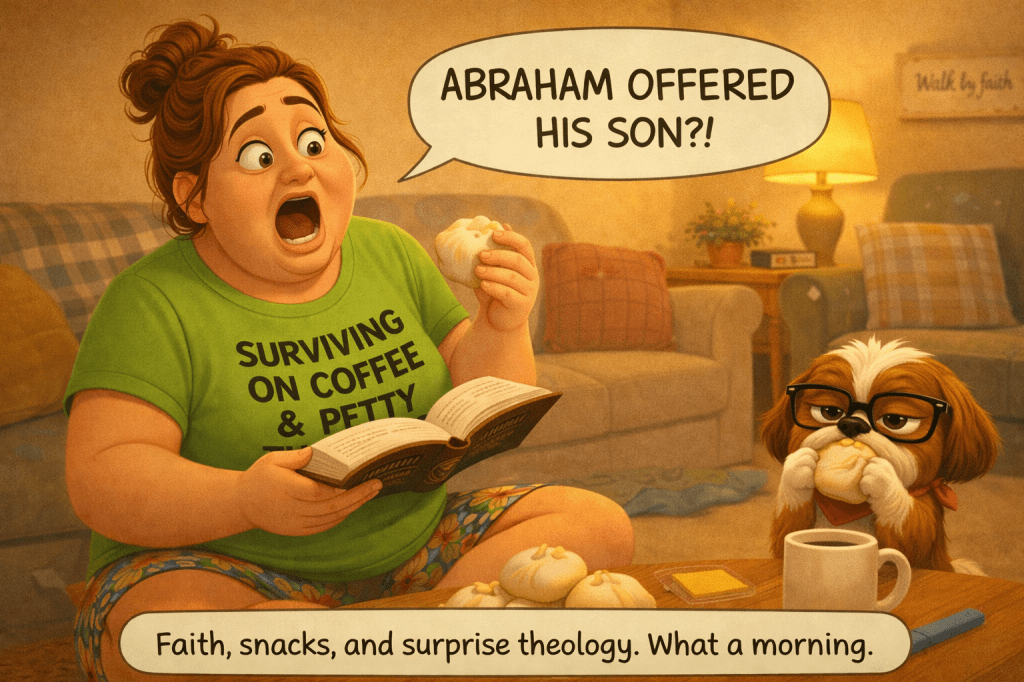
    Inside, Yohanes helped himself to the fridge while Susan bragged, “I perfected this siopao dough last night. It’s yum-yum!”

    Brenda raised an eyebrow. “Sus, this is a Bible study, not a Food Network audition.”

    Yohanes chimed in, “She’s only here for the snacks.”

    Brenda replied, “Maybe. But she’s gone from ‘I’m here for donuts’ to ‘I’m seeking the man with the hole in His hands.’ And that man has a name. If you keep coming, Susan, you’ll know it better.”

    They sat down. Brenda said, “Hebrews 11. Let’s start.”

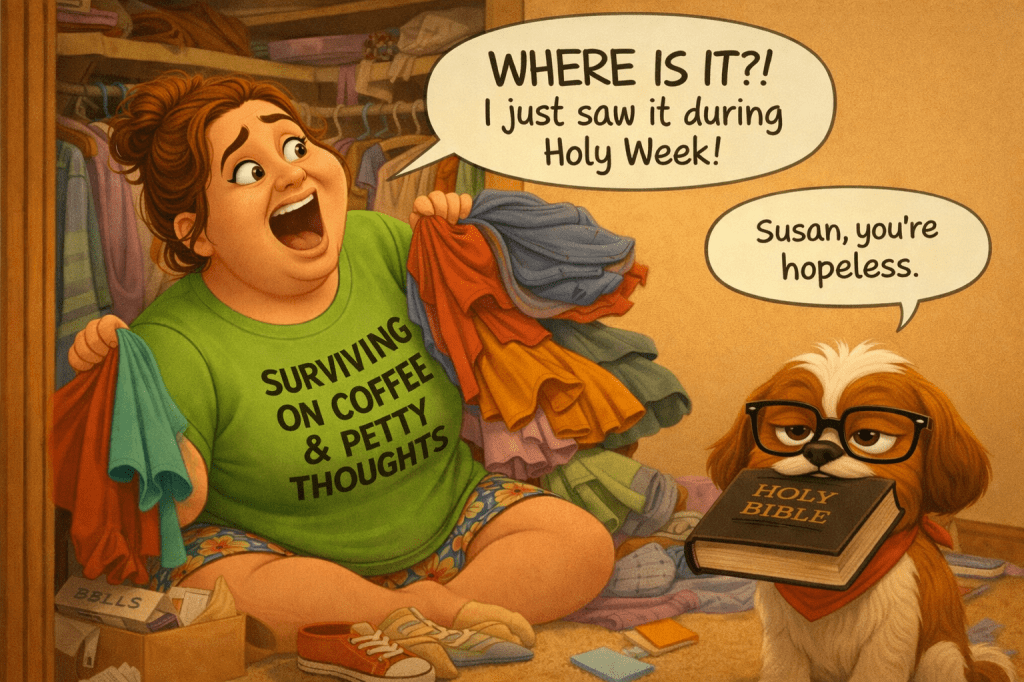
    But Susan had disappeared. She was deep in her room, hunting for a Bible her mom gave her during her rebel phase. She never read it, but she kept it—because it was from her mom, and because somewhere deep down, she knew it mattered.

    She finally returned, siopao in hand. “I found it! And I really nailed this dough.”

    Brenda began reading: “Now faith is confidence in what we hope for and assurance about what we do not see…”

    Susan gasped. “Abraham offered his son?!”

    Yohanes followed: “Sarah got pregnant at 90?!”

    “Yes,” Brenda replied calmly. “God stopped Abraham, and yes, Sarah had a son. Genesis 21 confirms it. Faith is trusting God even when it sounds ridiculous.”

    Then Brenda explained:

    “You know, I once read something that stuck with me.

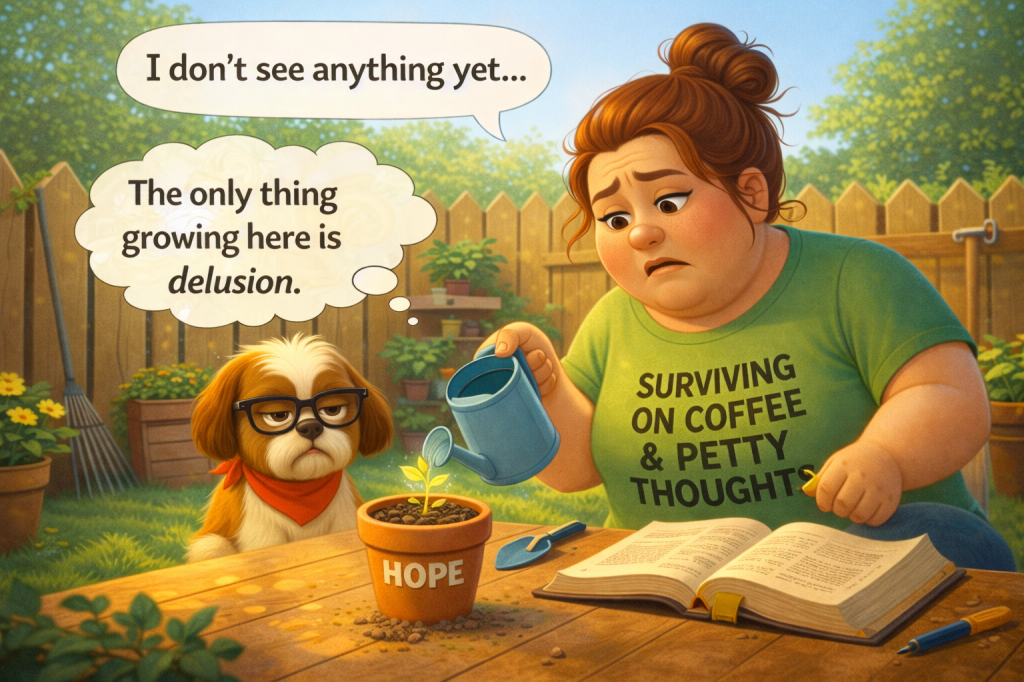
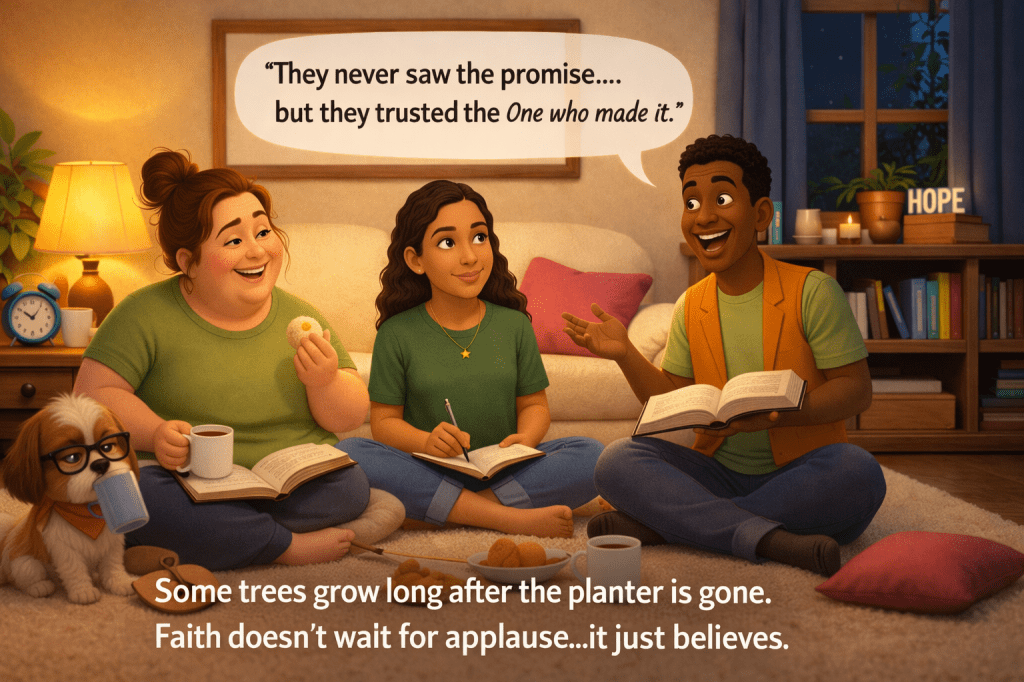
    Faith is like planting a seed… and trusting the Gardener.

    You don’t always see what’s happening underground. It may take time — maybe even longer than your lifetime. But you keep watering. You keep believing. Because you trust the One who planted it. You’re not the one growing it — you’re just called to believe something’s happening beneath the dirt.”
    I’d trust the Gardener too, Oishi thought, I just don’t trust Susan with plants. 🌿☠️

    Susan nodded. “So it’s like my siopao! I studied recipes, practiced kneading, timed it right. I didn’t just wish it would rise. I took action and had faith it’d turn out yum.”

    “Exactly,” Brenda smiled. “Faith isn’t passive. It moves — but not just in any direction. It walks hand-in-hand with obedience, doing what God asks even when it’s hard.”

    Susan, still chewing, added, “Back in college I failed Algebra. I prayed, but I didn’t study. I blamed God. But now I get it. Prayer without effort? It’s like hoping your siopao will rise while your oven’s still off.”

    Brenda nodded. “James 2:17—‘Faith without works is dead.’ And yes, sometimes we do all we can, and then we leave the rest to God. Like illness. Like impossibilities.”

    Then Yohanes, with his usual flair, raised his hand. “But what about Hebrews 11:13? It says some people died still waiting on God’s promises.”

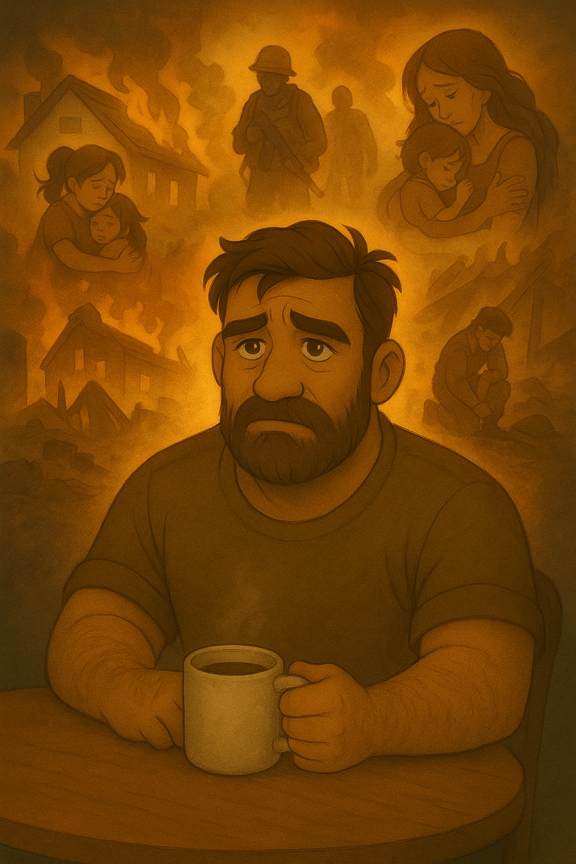
    Brenda nodded. “They still believed. Hebrews 11:13 says they ‘died in faith’—they didn’t get to see the promise come true, but they trusted the One who made it. Some of them went through really hard stuff. But even when it didn’t make sense… they held on. That’s the kind of faith that looks up, even when everything around you says to look down.

    Then Susan asked, “Is there someone not from the Bible who did that”?

    Brenda nodded. “More than we can count. Some planted seeds of justice and never saw the harvest. Others fought for their country’s freedom and died before the flag ever rose. There were those who stood up for truth and were silenced long before it echoed. But they believed anyway.

    Susan leaned back and whispered, “It feels good… understanding something this deep.”

    Oishi, chewing slowly, thought:
    She also said that after watching a documentary on cheese.
    But hey—progress is progress.

    We finished our siopao.

    And for the first time, I think Susan tasted more than food.

    She tasted truth. 

    Still Rising 🔥 Still Barking 🐾

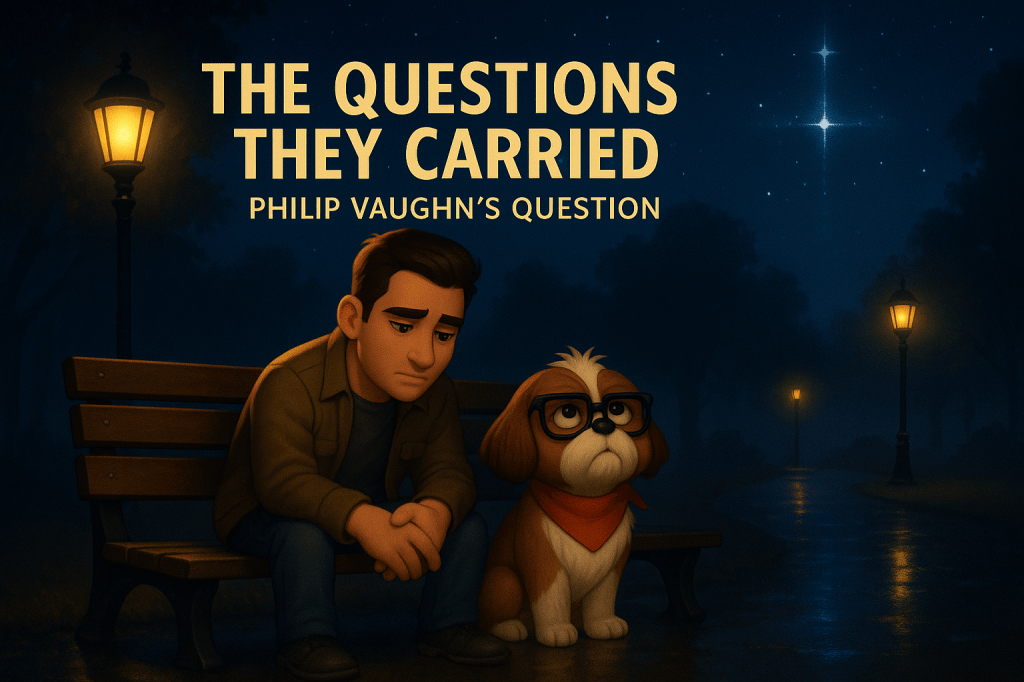
  • Philip Vaughn’s Question – Ep. 1 of The Questions They Carried

    Philip Vaughn’s Question – Ep. 1 of The Questions They Carried

    “Why is there evil in the world?”

    Narrated by: Oishi
    (because no one else wanted to narrate something this heavy… and Susan’s a wreck before 5 PM anyway.)


    It was Friday. 4:00 PM.
    That weird twilight zone in the office where everyone pretends to work but mostly just stares at their monitors, calculating escape.

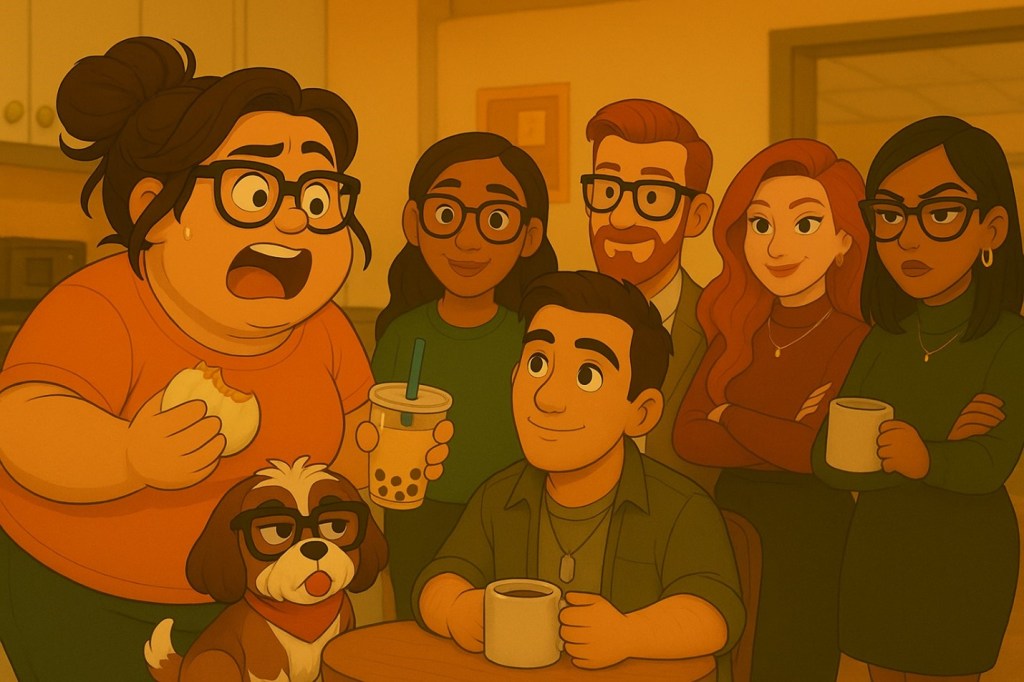
    Susan, of course, announced loudly while holding a siopao in one hand and milk tea in the other:

    “When that clock hits 5:00, my voluptuous butt is outta here.”
    (As if she hadn’t devoured half a dozen siomai during lunch.)

    Meanwhile, the usual suspects were passing time in their own way:

    ·       Brenda, Yohannes, Jasper, and Horatio T. were exchanging insults in a love language only extroverts understand.

    ·       Dinah and Jezzie Bell were packing up with military precision, so they could vanish the moment the clock beeped.

    ·       The pantry was full — not just with people, but with food, gossip, and unspoken exhaustion.

    And then there was Philip Vaughn.
    Sitting quietly at the far corner table. Black coffee in hand. Eyes distant — but never disconnected.


    Horatio wandered over, casual and curious. “You’re a war vet, right? What were you? Infantry? Air Force? Bazooka guy? Tank dude? Can you shoot a target from, like… 20,000 miles away?”

    Philip gave a gentle smile and shook his head.

    “No, Horatio. No one can hit a target from 20,000 miles. That’s… halfway around the world.”

    Then he paused. His gaze shifted — from polite to pained.

    “I never flew a plane.
    But I’ve seen families flee their homes in panic.
    I never carried a bazooka.
    But I’ve seen bodies — scattered, torn, innocent.
    I can’t hit a distant target.
    But I’ve seen people so crushed by suffering… that light itself felt unreachable.”

    We all grew quiet. Even Susan, mid-bite, slowed down. Until…

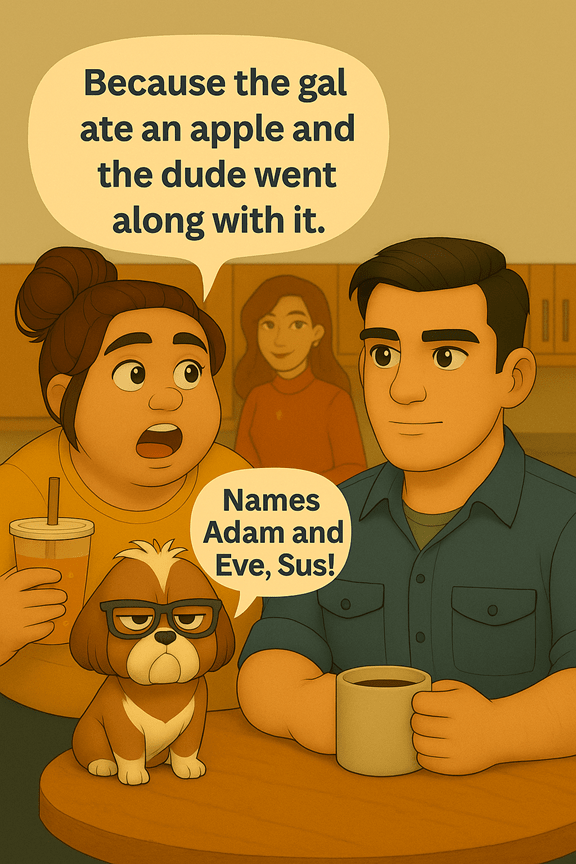
    “Well,” she blurted, “that’s ‘cause the gal ate the apple and the dude went along with it.”

    She said it like it explained everything. And in her head, it probably did.
    To be fair, I think Susan thought Philip was asking why there’s evil in the world—why suffering exists. And since she just finished a Bible study that touched on Genesis, this was her chance to shine. So she went straight to the source: Eve, Adam, and that infamous fruit.

    She even glanced at Brenda like, “See? I listened.”

    Just to clarify, dear readers: “The gal and the dude” = Eve and Adam.

    I don’t fully understand why it had to be an apple — personally, I’d sin for a dumpling — but what would I know? I’m just a fluffy Shih Tzu with theological insights and trust issues.


    Thursday night, 10:00 PM — Philip’s apartment.

    He couldn’t sleep. The memories were looping:
    Suffering. Hunger. People doing evil to survive.
    Others doing evil for no reason at all. No remorse. No hesitation. Just destruction.

    He whispered to the ceiling:

    “Why is there evil in the world? Don’t You care about the innocent who suffer?”

    And then…
    He remembered what Ishmael the janitor once told him.


    “God gave us free will, Philip,” Ishmael had said.

    And then… he remembered a conversation years ago, just outside camp.
    Ishmael wasn’t a soldier — not anymore — but the man carried a quiet kind of command.


    “The ability to choose good… or evil.
    Love isn’t love if it’s forced.
    And with freedom comes risk. Real risk.”

    “Like cars,” he continued.
    “They’re made for transport. Good purpose.
    But if the driver’s drunk… the same machine becomes a weapon.”
    “God didn’t create evil. But He created choice.
    And that choice is what allows evil to exist — and grace to overcome it.”

    Philip had asked, “But what about the innocent? What about those who suffer because of other people’s choices?”

    Ishmael’s eyes were kind but tired.

    “That one… I don’t have a full answer for.
    But the Bible doesn’t hide suffering.
    It just promises this:
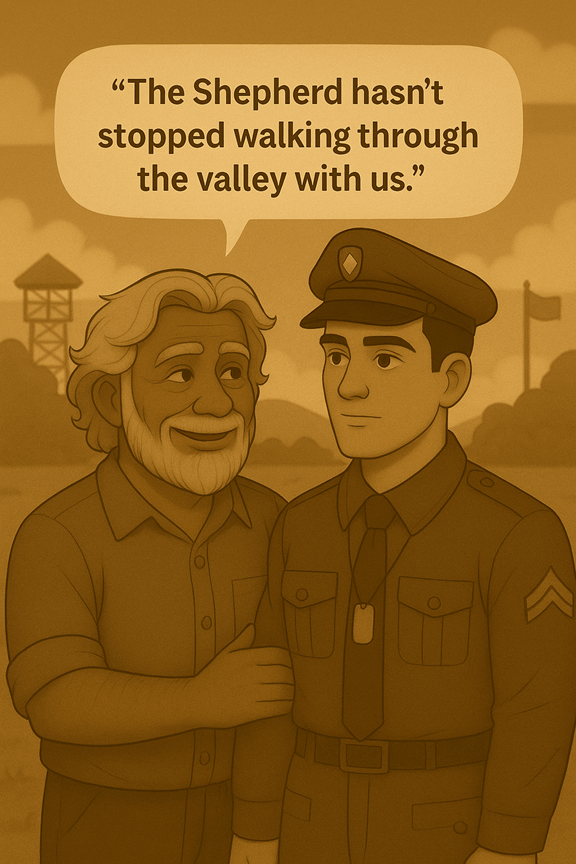
    ‘Even though I walk through the darkest valley, You are with me.’
    Not avoiding pain. But walking with us through it.”

    “Keep asking Him,” he added.
    “Keep giving compassion.
    Keep pointing people back to the Shepherd.
    And when you don’t understand…
    stay with Him anyway.”


    Back to the office. Back to the pantry. Back to siopao.

    Philip ended his story. No music. No applause.
    Just silence.

    All of us — even your stoic narrator — were in tears.
    Except Jezzie B. and Dinah, who muttered:

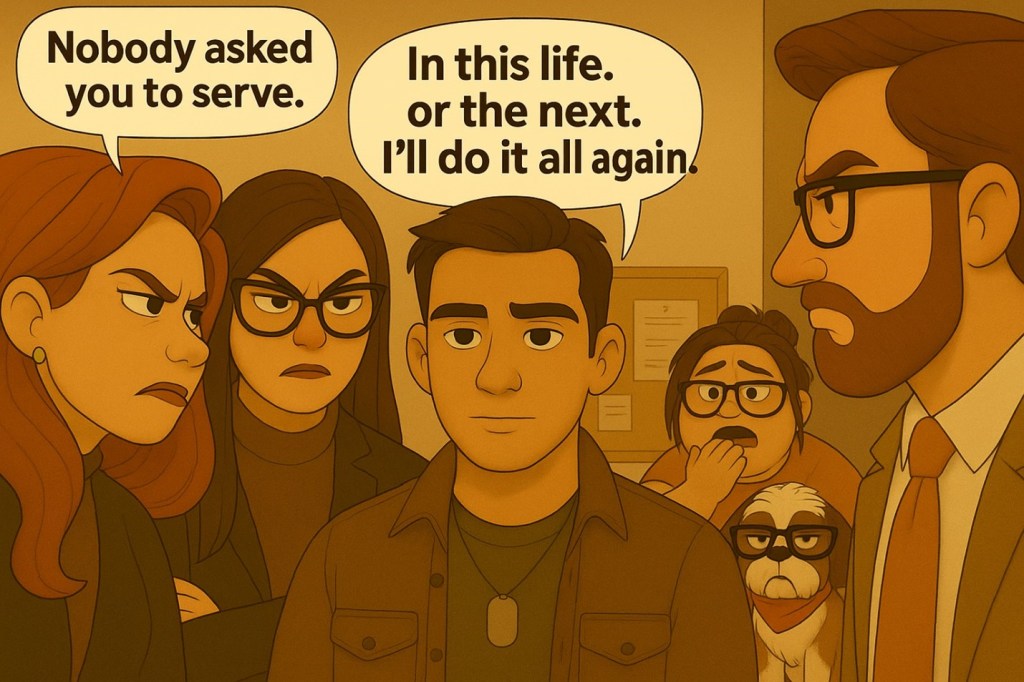
    “Well, nobody asked you to serve anyway.”

    Horatio turned red with rage.
    But Philip? He just smiled and patted him on the back.

    “It’s okay.
    No one asked me.
    It was my calling.
    And if I could do it all again…
    I’d still choose to serve.”

    Jezzie and Dinah left the room — humiliated, uncomfortable, and I suspect, a little convicted.


    [Narration: Oishi | Present Day]


    Susan left me with Philip because she went to the cinema to watch Inside Out with her BFFs, Brenda and Yohanes. Apparently, she can relate to “the anxiety character.” Don’t worry—I’ll spare you the full emotional recital she made when she got home and hugged me while weeping about how seen she felt. But that’s a story for another day… or never.

    I was chewing on my squeaky lion toy when I saw Philip walk toward me. He was smiling—but his eyes were heavy. The kind of heavy that didn’t come from lack of sleep. It was history. It was weight.

    He scooped me up, kissed my face, hugged me like I was the last safe thing in the world. I let him. When Philip hugs you, you don’t ask questions—you just hold the moment. He took me to the backyard. It was night. Quiet. Stars out. But something in his breath told me that the peace outside didn’t match the storm inside.

    Then he said it:
    “Oishi, I have something to tell you that’s been weighing on me. You may not talk, but I know you’ll listen.”

    His face dropped. From soft to steel. He started.

    “November 12, 2015. I’ll never forget that day, even if I want to. It haunts me.”

    “We were in a classified debrief. I was a Corporal. The man giving the briefing? Colonel Ishmael Shulman—yes, that Ishmael. The same one you see mopping the hallway at The Signal Co. You’ve met him.”

    (Oishi – Yep. He’s the only one in that office who actually uses his brain. Apart from you, of course.)

    “I don’t trust easy. I keep to myself. It’s not coldness—it’s control. I care about my team, I’d give my life for them. But connection? That’s a luxury I rarely allow myself. Until Private Joseph Morgan.

    “He was different. Focused. Disciplined. Fearless, but not reckless. Courage isn’t the absence of fear—it’s what you do despite it. And Joseph did the hard things, always.”

    “And when our pride got too loud, Joseph had a way of cutting through it—soft, but sharp.”
    “It’s not about being right. It’s about being kind… and knowing when to shut up.”

    “I’ll never forget the day I disobeyed orders. I was told to wait, but I moved in too early. My pride said, ‘You’re the senior here.’ My gut said, ‘Go.’ It was a trap. I would’ve died… but Joseph followed me. Took down the enemy. Saved me. Looked at me with that smug grin and said, ‘You okay there, Corporal?’ with a wink. That wink saved my life.”

    Philip’s voice broke. Then steadied.

    “After the debrief, we got into the helo. The view over Elar-Shur was stunning—mountains, light, rooftops stacked like prayers. We were supposed to drop relief goods. Vaccines.”

    “Then the first explosion hit.”

    “From afar, the city burned. Screams from a distance. Our Sergeant Mekena Abimbola, Combat Medic whispered, ‘Praise the Lord, who is my rock. He trains my hands for war and gives my fingers skill for battle.’ (Psalm 144:1). Another boom. Our tail got hit. The pilot shouted, ‘Brace for impact. We’re going down.’”

    “We crashed. The city was chaos. Smoke, gunfire, insurgents in black like death made manifest. We were surrounded. This was no relief mission. This was war.”

    “We fired back. The medic was already on her knees trying to resuscitate someone. The pilot – Commander Sera Wilde—turns out she’s also trained to fly an F-16—was crawling toward the jet nearby, trying to flip the tide.”

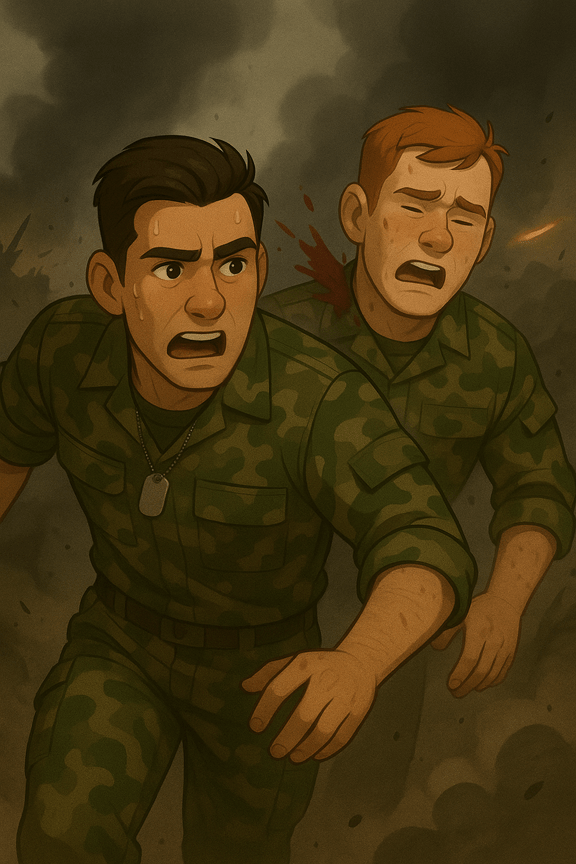
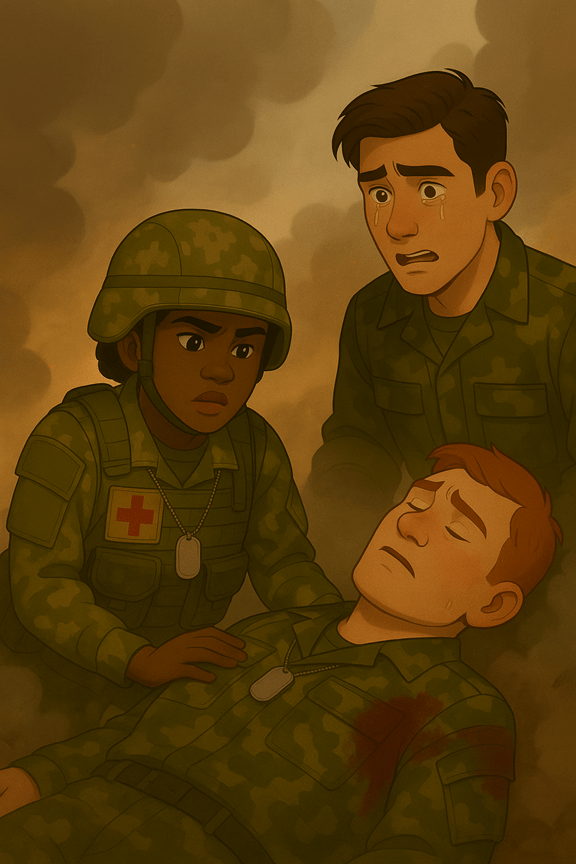
    “We were pinned. Joseph told me to hide, use the scope, wait. But I was reckless again. I saw an opening, took it. Didn’t see the sniper. Joseph did. He screamed my name, ran to cover me. Took the bullet meant for me.”

    “The medic ran to him. Did everything. But he was already gone.”

    “The pilot made it to the jet. Took out the enemy. But the damage had already been done.”

    “I didn’t just lose a comrade. I lost a brother. Because of me.”

    “I spiraled. I drank. I disappeared. Until someone told me there’s still redemption for people like us. That the Shepherd still walks through battlefields — even in the darkest ones.”

    “So I got up. Found The Signal Co. And every time I hear Susan scream at the photocopier, or see Macchismo take a toilet selfie, or Yohanes being extra, or Brenda correcting everyone with her straight face—I breathe a little better.”

    “That’s how I heal. One quiet laugh at a time.”

    He patted me again. And I didn’t move. Because in that moment, I wasn’t just his emotional support dog.
    I was his chaplain. His witness. His silent Amen.

    📜 Writer’s Note:

    This is a work of creative reflection.

    I haven’t seen war up close.
    But I’ve felt broken.
    I’ve gone to bed hungry—not always for food.
    I’ve been shut out, pushed down, overlooked.

    I’ve seen people break, and I’ve felt the sting of things that weren’t my fault.
    I’ve suffered because of others’ choices.
    And I’ve hurt others because of mine.

    I don’t have big answers.
    Maybe no one does.
    But I think it matters that we ask.
    That we say it out loud—whatever “it” is.
    That we make room for the hard questions,
    even the ones we whisper in the dark.

    And if you’ve ever asked,
    “God, where are You in all this?”
    Same.

    But I think He’s still here.
    I think He stays, even when everything else falls apart.
    And maybe that’s not everything.
    But maybe it’s enough to keep going.

    Still rising 🔥 still barking 🐾

    -Ember